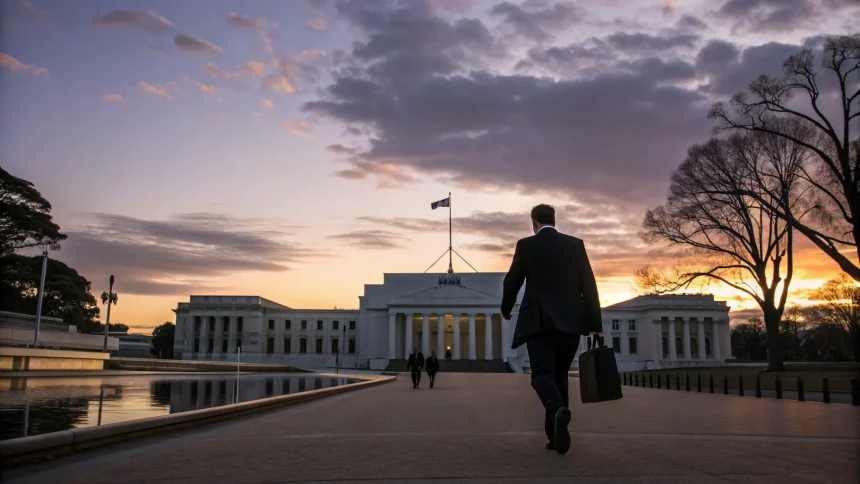
A departure from the White House’s Council of Economic Advisers has ended a rare dual role that had stirred new doubts about Federal Reserve independence. The move, described by one official statement as closing a sensitive chapter, arrives as the nation debates the proper distance between political power and monetary policy.
The exit took place in Washington after weeks of scrutiny over the unusual arrangement. The question at stake was whether one person could serve the administration while also shaping views tied to interest rates and inflation policy. The concern centered on the Trump administration’s influence over the Fed’s choices.
“His exit from the Council of Economic Advisers ends a rare dual role that had raised fresh questions about the Fed’s independence and the Trump administration’s grip on monetary policy.”
Why the separation matters
The Federal Reserve sets interest rates and manages inflation with a legal mandate to act independently. That design came from lessons of past political pressure. In the late 1960s, President Lyndon Johnson clashed with Fed Chair William McChesney Martin over rate hikes. In the early 1970s, President Richard Nixon pressed Chair Arthur Burns to keep rates low, a choice later linked to high inflation.
In recent years, public pressure on the Fed took a new form. President Donald Trump often criticized rate increases and called for easier policy. The public commentary, paired with a dual role inside the administration, fed worries that central bank choices could tilt toward politics rather than data.
The dual role debate
Economists argue that even the appearance of political influence can move markets. Investors look for signals on rates, inflation, and employment. A figure straddling the White House and policy discussions can send mixed signals about priorities.
Supporters of closer ties say coordination can improve responses in a crisis. They point to moments when fast action by fiscal and monetary teams contained risk. Skeptics counter that lines must remain clear. They warn that blurred roles can weaken credibility and raise borrowing costs over time.
- Perception can shape inflation expectations, even when policy does not change.
- Market volatility can rise if investors doubt the Fed’s freedom to act.
- Clear roles reduce confusion during emergencies and recoveries.
Signals to markets and households
For markets, the end of the dual role may lower uncertainty about the policy path. Traders read independence as a guardrail against political cycles. For households, that can mean steadier mortgage rates and less sudden swings in borrowing costs.
Businesses watch the same cues. When they believe the Fed will target inflation and jobs without political sway, they plan investment with more confidence. That planning can support hiring and supply chain decisions.
What history suggests about outcomes
History shows that political pressure can buy short-term gains at long-term cost. Loose policy timed to elections has led to higher inflation later. Restoring price stability then demands stricter policy, which can slow growth and raise unemployment.
Clear independence, by contrast, has anchored expectations. During past recoveries, credibility let the Fed guide policy with fewer surprises. Communication worked better because people trusted the intent and the data behind it.
What to watch next
Attention now turns to how the administration and the Fed engage in public. Signals to monitor include the tone of White House comments on rates and inflation. Announcements about appointments to monetary roles will also draw scrutiny.
Markets will track whether Fed statements focus on data, not politics. Analysts will parse speeches for references to inflation expectations, wage growth, and supply pressures. Any move that suggests outside pressure could spark volatility.
Congress may revisit oversight of appointments and ethics rules. Stronger guardrails could reduce the chance of future dual roles that blur lines. Clear disclosures and recusal policies may become standard practice.
The latest exit removes one source of tension at a delicate time for the economy. The key test ahead is whether policy signals reflect data alone. If so, the Fed can keep its focus on price stability and jobs, while elected officials steer fiscal choices. The public will benefit most if both sides keep those roles clear.