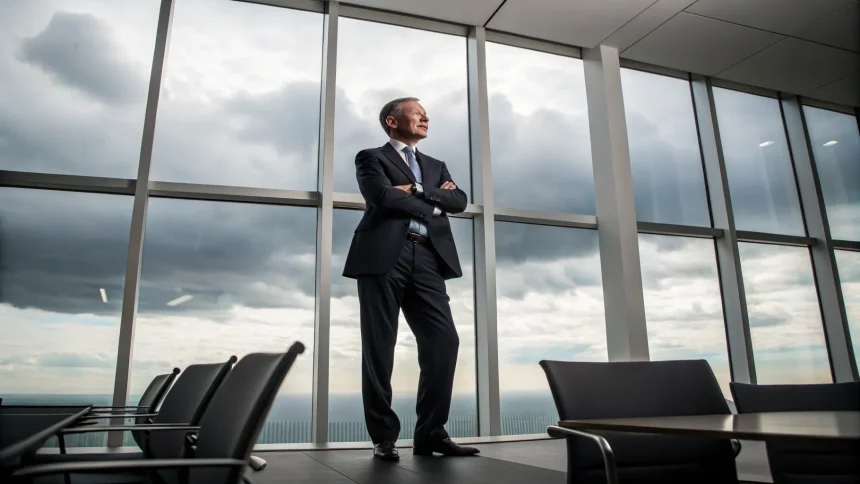
In a long-anticipated handover, Greg Abel is set to become chief executive of Berkshire Hathaway in less than two weeks, marking the company’s first leadership change at the top in decades. The move shifts daily oversight from Warren Buffett to Abel, a seasoned operator who has run Berkshire’s non-insurance businesses.
The transition matters far beyond Omaha. Berkshire owns railroads, utilities, manufacturers, retailers, and a large portfolio of public stocks. Millions of shareholders, employees, and suppliers have a stake in how the next era is managed.
Greg Abel takes over Warren Buffett’s role as Berkshire Hathaway CEO in less than two weeks.
Who is Greg Abel
Abel, a Canadian-born executive, built his reputation at Berkshire Hathaway Energy, rising to chief executive before taking charge of Berkshire’s non-insurance operations. Colleagues describe him as disciplined, detail-focused, and steady under pressure. He has spent years working alongside Vice Chair Ajit Jain and other leaders who run Berkshire’s core insurance and reinsurance operations.
Unlike Buffett, who is famous for stock picking and capital allocation, Abel’s record is grounded in operations. He oversaw billions in capital spending on power grids, wind and solar projects, and regulated utilities. That experience gives him influence over some of Berkshire’s most capital-intensive units, including BNSF Railway and its industrial businesses.
Why the timing matters
The handover comes as Berkshire manages slow growth in parts of the economy, higher interest rates, and evolving regulation in energy and rail. The company must balance buybacks, opportunistic acquisitions, and investment in existing subsidiaries. Investors will watch whether Abel maintains Berkshire’s cautious approach to debt and its large cash position, while staying open to large deals when prices make sense.
Berkshire also carries one of the world’s largest equity portfolios. Apple remains a key holding, and the company has previously trimmed and added positions based on price and risk. The new CEO will influence when to deploy cash, when to step back, and how to weigh insurance float against market risk.
Continuity and change
Abel has said publicly that Berkshire’s decentralized model will remain. Subsidiary leaders retain autonomy over operations and capital budgets within broad guardrails. That structure helps recruit owner-operator talent and keeps bureaucracy lean.
Still, there are open questions. Governance details around the chair role, the standing of vice chairs, and how investment decisions are split between internal managers and outside partners will shape the first year. The company’s approach to technology spending, grid modernization, and rail capacity is likely to reflect Abel’s operational lens.
What stakeholders should watch
- Capital allocation: pace of share repurchases, cash levels, and appetite for large acquisitions.
- Energy strategy: grid investments, wildfire risk mitigation, and regulatory outcomes across utility territories.
- Rail performance: service reliability, pricing, capital spending, and safety metrics at BNSF.
- Insurance underwriting: pricing discipline and catastrophe exposure under Ajit Jain’s oversight.
- Portfolio strategy: concentration risk in mega-cap tech and the role of in-house investment managers.
The Buffett legacy and market expectations
Warren Buffett shaped Berkshire into a conglomerate with a strong balance sheet and a reputation for patience. His annual letters promoted clear accounting, conservative assumptions, and ethical conduct. Those principles are unlikely to change, but the new CEO’s execution will be judged quarter by quarter and, more importantly, over many years.
Analysts expect stability at first. A measured pace allows Abel to reinforce the culture, support subsidiary leaders, and maintain flexibility for a major purchase if price and quality align. Any move that signals a permanent shift in buyback policy or leverage would draw close scrutiny.
For many investors, the key test is simple: preserve Berkshire’s ability to act fast when markets dislocate, while delivering consistent operating gains in core units. Abel’s track record suggests a practical path to that goal.
The leadership change is clear. The strategy, for now, is steady. The next few quarters will show how Abel balances caution with opportunity, and whether Berkshire can turn its scale into durable gains without losing the culture that made it distinctive.