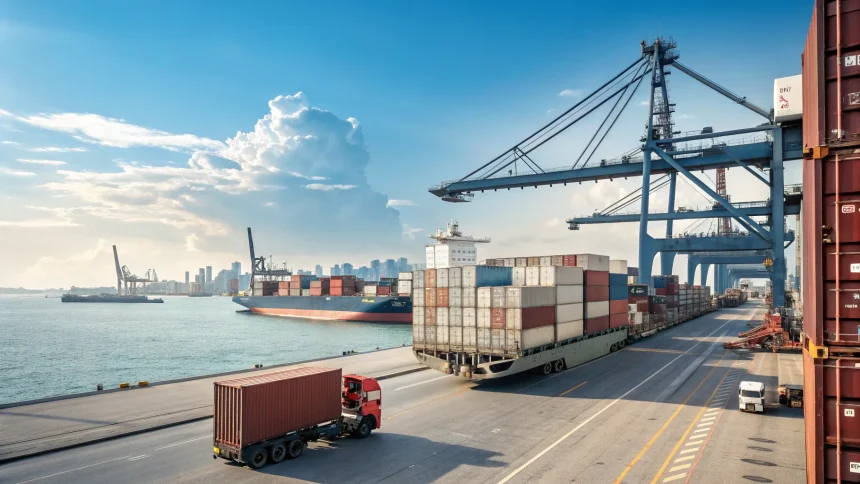
China’s sales to the United States have fallen sharply this year after a new wave of tariffs tied to President Donald Trump’s trade policy. Yet Chinese factories are not standing still. They are redirecting goods to other buyers, keeping assembly lines running and supply chains humming.
The shift shows how trade pressure between the world’s two largest economies is reshaping global commerce. While U.S. imports from China shrink, orders are being rerouted to Europe, Southeast Asia, Latin America, and parts of Africa. The change is quick and signals a wider reordering of trade routes and production plans.
China’s exports to the U.S. have dropped sharply this year, in the face of President Trump’s tariffs — but the country is still finding plenty of customers elsewhere around the world.
Tariffs bite into U.S.–China trade
The tariff waves launched under the Trump administration raised costs on hundreds of billions of dollars of Chinese goods. Importers in the United States faced duties across categories such as electronics, machinery, furniture, and consumer items. That cut demand for direct shipments from China and encouraged buyers to look for alternative sources or negotiate price concessions.
Chinese customs figures in earlier tariff rounds showed a double-digit drop in exports to the United States during 2019, with some sectors—like furniture and certain electronics—seeing even bigger declines. The pattern is repeating. Higher duties, heightened scrutiny, and new compliance checks are depressing orders to the U.S. market.
Currency shifts and tax rebates have helped Chinese exporters blunt some of the pain, but not enough to offset higher duties on many items. As a result, companies are working to keep factory capacity occupied by finding new customers abroad.
China’s export pivot gains speed
Diversion of trade is now a defining feature of the post-tariff period. Chinese suppliers are growing sales to the European Union and the United Kingdom in categories ranging from home goods to electric equipment. Southeast Asia has emerged as both a buyer and a production partner, with China sending parts and intermediate goods to factories in Vietnam, Thailand, and Malaysia for final assembly.
Latin American markets, including Mexico, Brazil, and Chile, have also absorbed more Chinese goods, particularly appliances, auto parts, and machinery. African economies are importing more construction equipment and consumer products as infrastructure projects and retail networks expand.
- Europe: increased orders for machinery, consumer electronics, and green tech inputs.
- ASEAN: rising trade in components and finished goods via regional supply chains.
- Latin America and Africa: steady growth in appliances, textiles, equipment, and vehicles.
Some of the shift reflects “rule of origin” strategies. Firms ship components from China to partner nations for assembly, changing tariff treatment when goods enter the United States or other markets. Others are simple market substitutions: products once destined for American retailers are now sold to buyers in the EU or the Middle East.
Winners and losers across supply chains
U.S. retailers and importers pay more for tariffed items, which can raise prices for consumers or squeeze profit margins. Some have switched suppliers to countries such as Vietnam, India, or Mexico. Others still buy from China but in lower volumes or with redesigned product lines to reduce duty exposure.
Within China, large manufacturers with global sales teams are adjusting fastest. Smaller firms with tight cash flow face more strain, especially in labor-intensive sectors. Freight forwarders, port operators, and logistics firms are adapting routes to match the new demand patterns.
Neighboring exporters benefit as investment shifts. New plants and contract manufacturing deals in Southeast Asia and Mexico are drawing orders that might once have gone to Chinese factories. At the same time, many of those plants still source machinery and parts from China, keeping Chinese industry linked to final goods shipped from third countries.
What the numbers signal next
Trade diversion can hold headline exports steady even as shipments to the United States drop. Recent customs data in past tariff periods showed China’s overall exports remained relatively resilient, with ASEAN at times rising to China’s top trading partner. That resilience now rests on whether demand in Europe and emerging markets stays strong.
Key indicators to watch include new export orders in China’s manufacturing surveys, container throughput at major ports, and tariff policy signals from Washington and Brussels. Any additional duties, especially on electronics, batteries, or renewable energy products, could redirect flows again.
Analysts expect more “China plus one” sourcing plans from multinational brands. This keeps part of production in China while adding capacity in a second location. It reduces tariff risk and supply disruptions while keeping access to China’s supplier base.
The headline story is clear: tariffs are reducing China’s direct sales to the United States, but not stopping Chinese goods from reaching global buyers. The next phase will hinge on policy moves and consumer demand outside the United States. If Europe and emerging markets keep ordering, factories in China—and their regional partners—will stay busy. If demand cools, pressure on smaller exporters will rise, and supply chains may shift again as companies chase lower risk and steady orders.