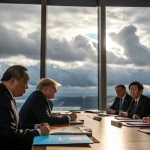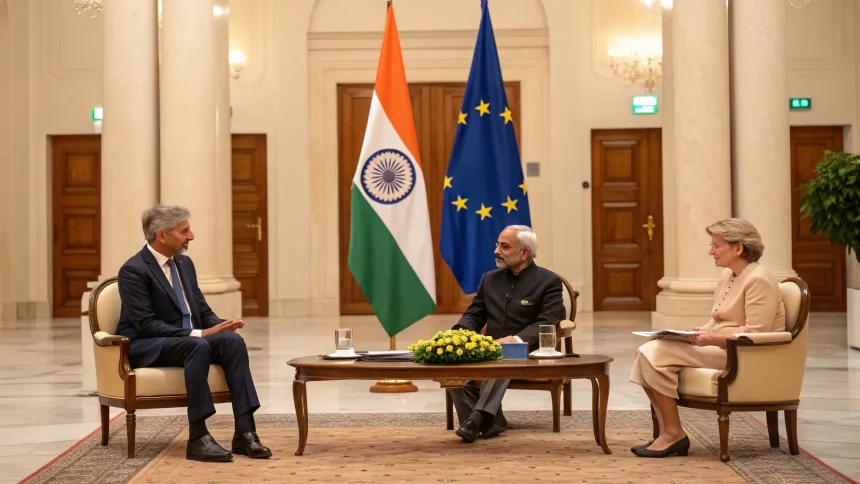
India’s External Affairs Minister Subrahmanyam Jaishankar met European Council President Antonio Costa and European Commission President Ursula von der Leyen in New Delhi on Sunday, January 25, as both sides gathered for Republic Day events and a final push on a wide-ranging trade deal. The meetings, which also included EU foreign policy chief Kaja Kallas, signal an effort to resolve market access issues and frame tariff cuts that could reshape trade between the two partners.
The talks aim to reduce duties on European cars and wine while opening more space in Europe for Indian electronics, textiles, and chemicals. Negotiators relaunched the process in 2022 after a nine-year pause and intensified work last year amid global trade strains. This week’s meetings are intended to settle remaining gaps and chart a path to signature.
Context and History
India and the European Union have spent years trying to agree on a balanced trade pact. Earlier efforts stalled over disagreements on tariffs, services, and rules on data and investment. The process restarted in 2022 as both sides sought stable partners and diversified supply chains.
Officials view the current round as a chance to align economic interests with growing political ties. The EU has sought lower tariffs for its manufacturers, while India has pushed for greater access for labor-intensive exports and more certainty for its service providers.
The presence of senior leaders in New Delhi has added pressure to close a deal. Republic Day ceremonies on January 26 provided a diplomatic backdrop and a deadline for negotiators.
What Is on the Table
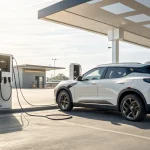
The trade deal is expected to open the way for reduced tariffs on European cars and wine and an expanded market for Indian electronics, textiles and chemicals.
Talks have centered on tariff schedules, rules of origin, and standards that affect product entry into each market. For European automakers, even a step-down in duties could improve pricing and spur investment. For India’s exporters, clearer standards and simpler customs processes could speed shipments and reduce costs.
Jaishankar’s meetings with Ursula von der Leyen and Antonio Costa focused on bridging the final policy gaps. Kaja Kallas joined discussions with a broader Indian and European delegation, underscoring the political weight behind the effort.
Stakeholder Views and Concerns
Industry groups on both sides have called for a predictable framework. European firms want assurances on tariff reductions and regulatory clarity. Indian businesses seek fair access to public procurement and fewer non-tariff hurdles in Europe.
Consumer advocates will watch how tariff changes affect prices. Lower duties on imported cars and wine could benefit buyers in India, while added competition may challenge domestic producers. Indian exporters hope stronger sales in Europe will support jobs and investment at home.
- European carmakers look for phased tariff cuts and local production options.
- Indian textile and electronics exporters seek simpler rules and faster border checks.
- Both sides need mechanisms to resolve disputes quickly.
Economic and Strategic Implications
Both parties see economic gains and strategic value. A deal could reduce trade frictions, improve supply chain resilience, and anchor a long-term partnership. It would also send a signal of cooperation at a time of rising trade barriers elsewhere.
Negotiators relaunched talks in 2022 after a long pause, and momentum increased last year as global trade tensions rose. That timing helped push both sides to identify shared interests, especially in sectors where demand is strong and supply chains are diversifying.
If implemented well, the agreement could encourage new investment in manufacturing and logistics. It may also prompt follow-on talks on digital trade, services, and sustainability standards.
What Comes Next
Officials in New Delhi expect the current meetings to produce a political agreement in principle, followed by legal review and domestic approvals. Timelines will depend on how quickly negotiators finalize tariff schedules and settle technical chapters.
Key issues to watch include the pace of duty reductions on cars and wine, rules of origin for electronics and textiles, and safeguards for sensitive sectors. Clear communication of phase-ins and support for affected industries will be essential for public acceptance.
As leaders depart New Delhi after Republic Day, both sides appear intent on turning momentum into a signed pact. The coming weeks will show whether political alignment can carry the deal over the finish line and deliver the promised market access on both shores.