Europe’s largest political group signaled support for a new EU‑US trade agreement but warned approval will not move forward while tensions over Greenland persist. The statement adds a fresh political hurdle to transatlantic talks that leaders have hoped to revive this year.
The European People’s Party (EPP) framed its position as conditional on stability in relations with Washington. The reference to Greenland points back to past comments by Donald Trump about acquiring the Arctic territory, which is part of the Kingdom of Denmark. That dispute touched raw nerves in Copenhagen and Brussels and has resurfaced as negotiators weigh the path for a trade deal.
“The EPP is in favor of the EU-US trade deal, but given Donald Trump’s threats regarding Greenland, approval is not possible at this stage.”
Why Greenland Matters in a Trade Debate
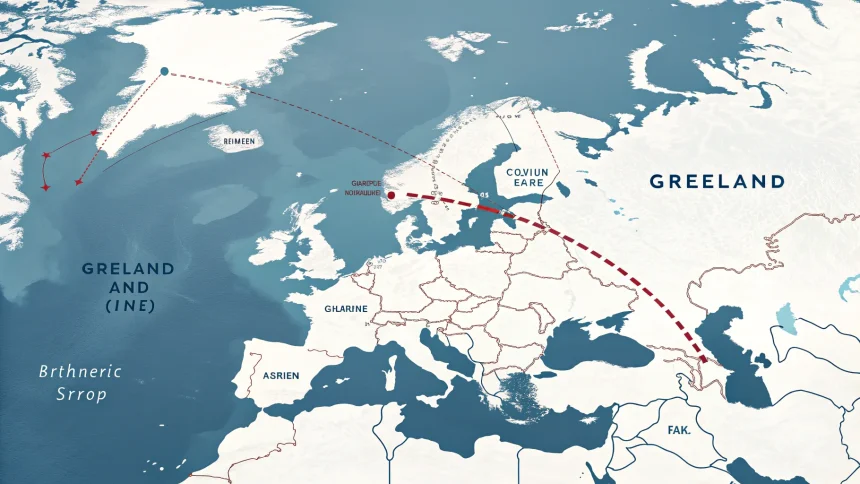
Greenland is an autonomous territory within the Kingdom of Denmark and sits at the center of Arctic shipping lanes and mineral interests. Any hint of pressure over its status triggers a strong response from Denmark and EU allies. When Trump raised the idea of buying Greenland in 2019, Danish leaders rejected it. The episode led to a sharp diplomatic rift at the time.
Linking that dispute to trade policy shows how security and sovereignty concerns can spill into economic talks. The EPP’s stance suggests lawmakers want assurances that Washington will avoid coercive moves tied to Greenland before they consider a sweeping trade package.
A Fragile Reset for Transatlantic Trade
EU‑US trade negotiations have struggled for years. The TTIP effort stalled amid disagreements over standards, agriculture, and digital rules. Recent talks have focused on smaller steps, such as critical minerals, clean tech supply chains, and easing tariffs in targeted sectors.
Both sides remain each other’s top economic partners. A broader deal could lower costs for firms and consumers and set common rules for new technologies. Yet political trust is the foundation for any agreement. The EPP message indicates that trust is still uneven.
What Lawmakers Want to See
Members of the European Parliament must approve major trade agreements. The EPP often shapes the final vote. Its leaders now appear to want clear signals from Washington on respect for allies’ sovereignty, especially regarding Greenland and Denmark.
- De‑escalation over Greenland‑related rhetoric and actions.
- Assurances that security issues will not be used as trade leverage.
- Progress on sensitive areas: agriculture, data protection, and standards.
Without these steps, the path to ratification looks narrow. Even pro‑trade lawmakers may refuse a deal if they fear future shocks from foreign policy disputes.
Reactions and Possible Paths Forward
Trade advocates in Europe argue that re‑engagement with the United States could help supply security and reduce costs. Skeptics warn that a broad pact might weaken environmental or consumer protections. For Denmark, the political sensitivity of Greenland is non‑negotiable. Any U.S. move seen as pressure would harden European resistance.
In Washington, business groups generally favor deeper ties with the EU to counter global competition and stabilize supply chains. They also stress predictability. Mixed political signals about Greenland could complicate their case.
What Is at Stake
A well‑structured deal could streamline rules for autos, pharmaceuticals, and clean energy components. It could also set standards for digital trade and AI governance. But if geopolitical frictions return, negotiations could stall or be reduced to modest sectoral accords.
The EPP’s warning makes clear that timing matters. Trade talks tend to move only when the political climate is calm and partners show mutual respect.
The latest message from the EPP links economic policy to Arctic politics in a direct way. It raises the bar for any near‑term agreement and places the next move on Washington. If tensions over Greenland ease and both sides show restraint, a serious negotiation could resume. If not, expect incremental steps, not a grand deal.