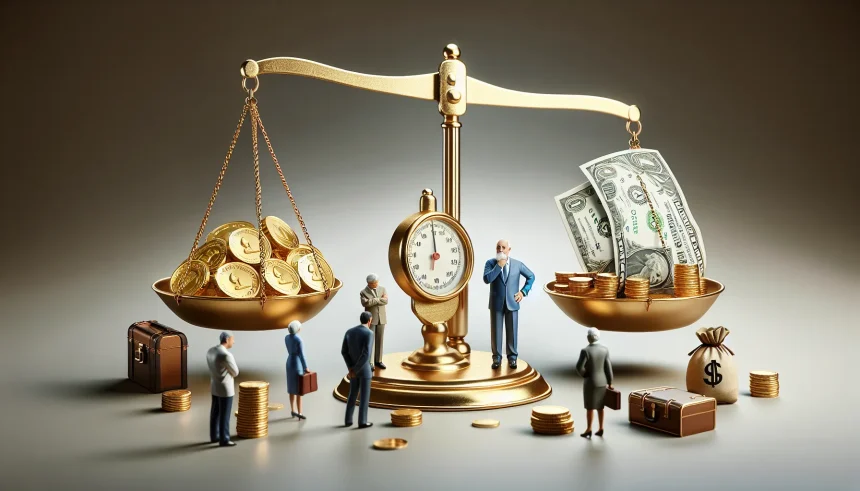
With inflation holding steady, investors are asking if gold still earns a place in portfolios right now and what signals to watch as policy and markets adjust. The question arrives as households weigh savings, retirement plans, and the trade-offs between safety and growth. It also reflects concern about how prices, interest rates, and the dollar shape returns. The issue has urgency, as even flat inflation still erodes purchasing power over time.
A new report shows inflation holding steady. So, does gold investing still make sense? Here’s what to consider now.
What steady inflation signals for gold
Gold is often seen as a hedge against rising prices and financial stress. When inflation cools or steadies, its appeal can shift. The metal does not pay interest, so its performance often moves with real yields. When inflation is steady and interest rates remain high, gold can face pressure. When inflation is steady but real yields fall, gold can find support.
The dollar also matters. A stronger dollar can weigh on gold prices, while a weaker dollar tends to help. Geopolitical shocks, banking strains, or recession fears can boost demand even when inflation is flat.
Looking back: how gold has behaved in different cycles
History shows mixed results. Gold advanced during the 1970s as prices rose quickly and real rates stayed negative. It struggled for parts of the 1980s and 1990s amid higher real rates and a strong dollar. After the global financial crisis, gold climbed as central banks cut rates and bought bonds. In 2020, it surged on pandemic stress and stimulus, then wobbled as policy tightened. These swings show that inflation is only one driver. Policy, growth, and currency moves also count.
Why some still hold gold—and why some do not
Supporters argue that gold offers diversification. It often moves differently than stocks and some bonds. It can act as insurance during shocks. Central banks hold it as a store of value, and their buying can influence prices over time.
Skeptics point to long stretches with weak returns after inflation. They note storage and insurance costs for physical bars or coins. They also highlight opportunity cost when interest-bearing assets pay more. In steady inflation periods, they argue, disciplined stock and bond mixes may meet goals with less drag.
How to own it: vehicles, costs, and risks
Investors have several options. Exchange-traded funds backed by bullion offer liquidity and transparent fees. Physical coins and bars provide direct ownership but add shipping, storage, and security needs. Mining stocks add growth potential but carry company and market risk that can differ from spot prices.
- Know your time horizon and role in the portfolio.
- Track expense ratios, spreads, and storage costs.
- Size positions modestly to manage volatility.
- Rebalance on a schedule, not on headlines alone.
Signals to watch next
Several forces will shape the case for gold in a steady inflation setting. Central bank policy is first. If rate cuts lower real yields, gold may gain tailwinds. If policy stays tight and growth holds, the metal may tread water.
The dollar’s path is next. Trade-weighted strength can cap gains; weakness can lift prices. Global demand also matters. Central bank purchases, especially from emerging markets, can support the floor. Geopolitical risk is a wild card that can spark safe-haven flows without warning.
What a balanced plan looks like
For long-term savers, a measured allocation can serve as insurance, while most growth still comes from stocks and high-quality bonds. Short-term traders may watch technical levels and rate expectations more closely. Either way, clarity on goals, costs, and liquidity is key.
Advisers often suggest limiting gold to a small share of the portfolio and pairing it with assets that benefit when real yields rise. That mix can help in a range of outcomes, from steady prices to fresh inflation scares.
The bottom line: Steady inflation does not end the case for gold, but it changes it. The metal’s role depends on real yields, the dollar, and risk appetite. Investors who ground decisions in a plan—size, costs, and reasons to own—are better positioned. Watch policy moves, currency shifts, and central bank buying to gauge the next leg.