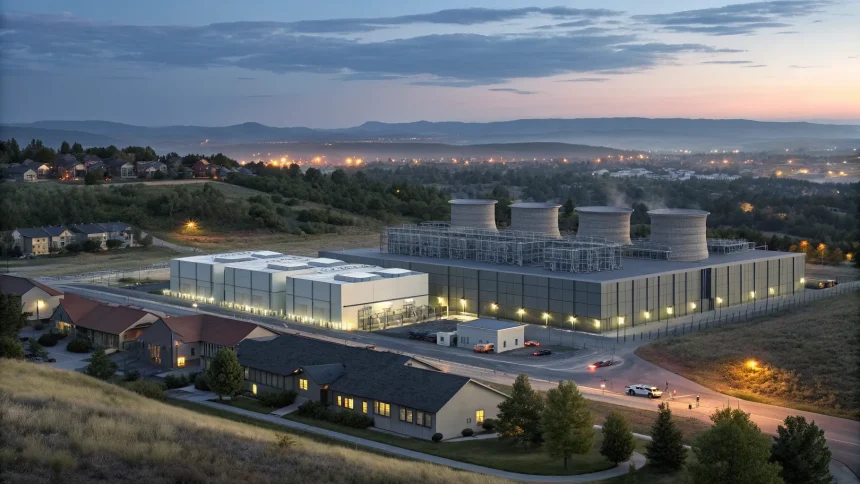
Cheers broke out after a New Jersey city dropped data centers from a major redevelopment plan, signaling growing resistance to a fast-growing industry. The decision came after weeks of neighborhood debate and late-night meetings. It highlights a wider question for local leaders: where to put energy-hungry facilities that serve the digital economy without straining communities.
Residents cheered when a New Jersey city decided to remove data centers from its redevelopment plan.
Officials weighed concerns about noise, traffic, and grid demand against promises of investment and tax revenue. The move reflects a national pattern as towns reassess land use near homes, schools, and small businesses. Leaders now face pressure to update zoning rules and set clearer standards before new projects arrive.
Why data centers face new pushback
Data centers support cloud computing, streaming, and AI, but they require steady electricity and cooling. That footprint can be hard to fit into dense or mixed-use areas. Neighbors often raise alarms about round-the-clock noise from backup generators and cooling equipment. They also worry that new load could drive higher utility costs or delay grid upgrades.
- Power demand can be large and constant, stressing local substations.
- Cooling systems may use significant water or add heat and noise to the area.
- Construction brings trucks, diesel generators, and road wear.
- Job counts are sometimes lower than expected after buildout.
Those concerns have fueled calls for stricter siting rules and stronger environmental reviews. Residents in several regions have urged leaders to steer projects to industrial zones, not near apartments or main streets.
What supporters argue
Industry representatives point to the need for reliable digital services and local tax benefits. They argue modern facilities can meet stringent noise rules and use energy-efficient designs. Some promise to match power use with renewable energy purchases. Others offer community benefits such as new sidewalks, open space funds, or workforce training.
Developers also say cities that turn away large projects could lose out on long-term revenue. They note that data centers often become anchor tenants in underused industrial corridors. With proper siting and grid planning, they argue, facilities can operate with limited disruption to neighbors.
The New Jersey decision in context
The local vote follows a wave of rethinks from planning boards and councils across the country. Public hearings have drawn large crowds as residents ask for more data on power use, water needs, and emergency planning. Many want binding limits on noise and a cap on diesel generator testing hours.
Data centers are now a flash point in many towns.
The New Jersey city’s choice to remove the use from its plan shows how community input can reshape redevelopment. It also sends a message to developers: early outreach and clear mitigation plans are now essential. Without both, projects risk delays or denials.
Policy options cities are weighing
Local governments are testing new tools to manage growth while protecting neighborhoods. Planners say the goal is to set fair rules before applications arrive, not after.
- Zoning: Limit data centers to industrial districts with buffer zones from homes and schools.
- Performance standards: Set enforceable caps on noise, vibration, and generator testing hours.
- Infrastructure pacing: Tie project approvals to confirmed grid capacity and upgrade timelines.
- Water and heat management: Require cooling plans, leak detection, and heat reuse where feasible.
- Community benefits: Negotiate funds for local improvements and emergency services.
- Transparency: Publish power and water estimates with third-party review.
These steps aim to reduce conflict, speed reviews, and give residents confidence that promises will hold. They also help utilities plan upgrades in step with new demand.
What to watch next
Developers and cities are moving from project-by-project fights to clearer rules. Expect more standardized checklists on siting, grid studies, and noise testing. Regions with limited power capacity may queue projects while upgrades proceed. Others may pilot heat recovery from servers to warm public buildings or pools.
The New Jersey vote may encourage nearby towns to revisit their plans. It could also push companies to target sites with existing substations, highway access, and few homes nearby. Where trust is low, early disclosure and measurable commitments will likely decide outcomes.
The takeaway is simple. Communities want growth that fits. Clear rules, honest data, and smarter siting can narrow the gap. If cities get those pieces right, fewer hearings will end in a hard no—and more in a workable yes.