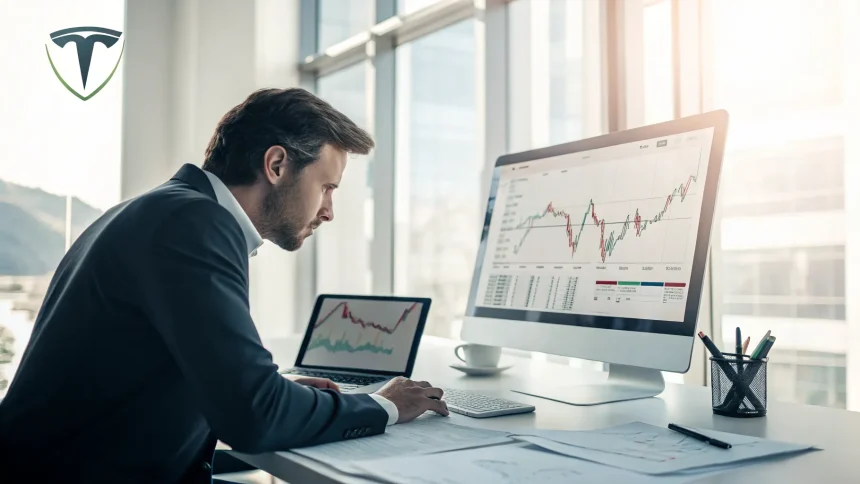
A prominent Tesla backer has placed a fresh wager on the chips fueling artificial intelligence. Billionaire Leo KoGuan, one of the largest individual shareholders of Tesla Inc., said he purchased one million shares of Nvidia Corp., signaling a high-conviction bet on the engines of AI growth. The move adds a new twist to the crosscurrents linking carmaking, autonomous driving, and the chip supply chain.
“Bought one million shares of Nvidia.”
KoGuan’s decision arrives as AI spending shows little sign of cooling and as investors weigh how hardware leaders will shape the next phase of automation. His track record as a vocal Tesla holder makes the purchase noteworthy for both EV and chip investors.
Who is Leo KoGuan, and why his trades get attention
KoGuan rose to prominence as a high-profile Tesla shareholder during the electric vehicle maker’s rapid expansion. He is known for public posts about his positions and for urging the company to focus on long-term value creation. His views often echo a class of individual investors who see Tesla as a technology platform, not only a car company.
While Tesla’s day-to-day operations stand apart from his portfolio choices, KoGuan’s shifts can serve as a signal for retail traders who follow influential holders. When a well-known investor reshapes exposure, it can shape discussion about where growth may cluster next.
Why Nvidia sits at the center of the AI build-out
Nvidia’s chips power training and inference for large AI models across cloud providers and enterprises. Demand for high-performance graphics processing units has surged as companies add computing capacity for generative AI tools, robotics, and automated services.
Analysts say Nvidia’s data center business has become the key earnings engine as customers add clusters for AI workloads. Supply has been tight at times, a sign of how quickly spending has ramped. That scarcity has fed a broader debate over how long this investment cycle will run.
Links to Tesla’s AI ambitions
Tesla’s strategy leans heavily on software and autonomy. The company trains driving models using massive compute resources. While Tesla develops custom systems and its own training stack, it has also tapped industry-standard AI hardware. That overlap creates a simple read-through: winning the AI chip race can affect the pace of progress across automated driving and other intelligent systems.
KoGuan’s Nvidia purchase could reflect a view that chip suppliers will capture a large share of AI value during the build phase, even as end-user platforms pursue their own paths. For investors who track Tesla as an AI story, his move highlights the supply side of that story.
Competing views: concentration risk vs. durable demand
There are two broad schools of thought. One argues that AI spending may cool if customers pause to measure returns. The other sees a multi-year cycle as more sectors adopt AI and expand workloads.
- Bulls point to expanding use cases in search, media, engineering, and healthcare.
- Bears warn of supply gluts or pricing pressure if rivals catch up or budgets slow.
- Portfolio risk rises when investors cluster in a few large names.
KoGuan’s purchase sits within this debate. It is a direct vote for sustained demand, but it also adds exposure to a crowded trade that has been sensitive to guidance and supply updates.
What it could mean for investors
For Tesla-focused holders, the move offers a simple hedge: own both the platform aiming to monetize autonomy and the chip maker selling the tools to build it. For AI-focused investors, it reinforces the case that upstream suppliers may continue to capture a larger slice of near-term cash flow.
Still, investors should watch for changes in chip availability, delivery timelines, and capital spending plans from cloud providers. Those signals often drive sentiment more than headlines about individual purchases.
What to watch next
Formal disclosures could clarify the timing and structure of KoGuan’s position. Earnings from major cloud operators will help gauge the strength of AI infrastructure demand. Updates from automakers on training capacity, software rollout, and autonomy milestones will also matter.
For now, the message is clear. A major Tesla holder has placed a sizable bet on the picks-and-shovels of the AI boom. That alignment between end platforms and core suppliers is likely to shape portfolios—and debate—through the next leg of the cycle.