On Fox Business’ Maria Bartiromo’s Wall Street, Soft Bar founder and reality TV personality Carl Radke discussed “America’s declining alcohol consumption,” his “sobriety journey,” and how he is building a company for the “booze-free movement.” His remarks highlight a fast-growing market and a cultural change with real business stakes.
The conversation comes as alcohol use patterns shift across the United States. Surveys show fewer young adults drink, and sales of non-alcoholic options keep rising. Entrepreneurs are racing to meet demand with dry bars, alcohol-free spirits, and pop-up events. Investors are paying attention too, as the category moves from niche to mainstream.
What is driving the slowdown in drinking?
Public polls and industry trackers point to health, cost, and changing social norms. A 2023 Gallup survey found 62% of U.S. adults say they drink alcohol, down from earlier peaks. The share of younger adults who drink has fallen more sharply over two decades. Research firms such as IWSR have reported years of double-digit growth for no- and low-alcohol products in the U.S., even as traditional beer and wine volumes face pressure.
- Health and wellness trends have made moderation more common.
- Gen Z reports drinking less than older cohorts at the same age.
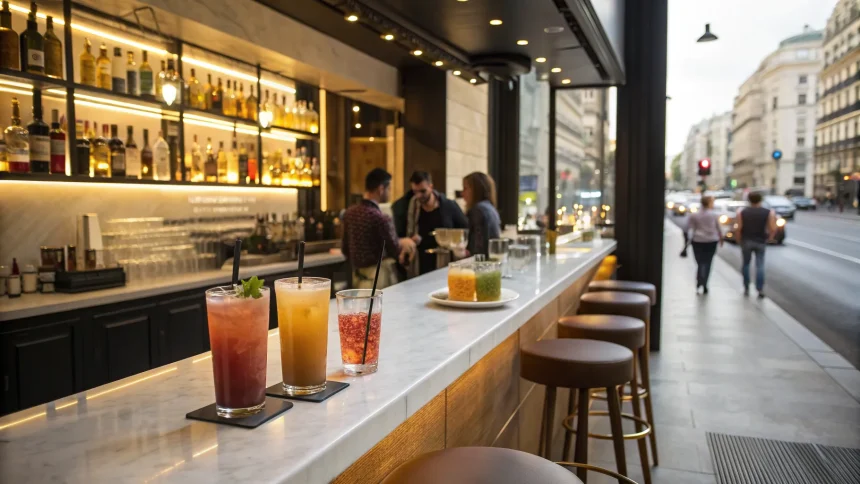
- Bars and restaurants now list spirit-free cocktails alongside classic pours.
Radke’s emphasis on a “booze-free movement” tracks with these shifts. The appeal is not only total abstinence. Many customers want flavorful drinks without the buzz on some nights of the week.
From personal sobriety to a business plan
Radke framed his founder story around recovery and purpose. While personal, his path mirrors a pattern seen among other founders in the space: using lived experience to design products and spaces that feel social, not exclusionary.
“America’s declining alcohol consumption”
That trend gives entrepreneurs room to experiment with formats that would have been hard to imagine a decade ago. Soft Bar’s bet is that consumers will pay for craft, care, and community—without ethanol. The focus is on taste, ritual, and belonging, not preaching.
The business case: margins, menus, and market size
Non-alcoholic beer, wine, and spirits have improved in quality and variety. That has expanded average check sizes at venues that design thoughtful zero-proof lists. Operators say premium pricing is possible when drinks deliver on flavor and presentation.
Analysts note that the category’s ceiling is rising as shelf space expands at major retailers and distributors build dedicated portfolios. IWSR has estimated steady growth for no- and low-alcohol through the middle of the decade, with beer alternatives leading in volume and spirits alternatives rising quickly from a smaller base.
Still, risk remains. Many consumers treat zero-proof as an occasional swap, not a full replacement. Repeat purchase depends on taste and value. For bars, staff training and menu design matter, since these drinks require balance and craft to justify price.
Cultural shift meets policy and public health
Public health messaging has become clearer on alcohol’s risks, from cancer links to mental health. That has influenced choices across age groups. Insurance incentives and workplace wellness programs have also raised awareness.
Events built around “sober-curious” communities show how social life can adapt. Dry January participation has grown each year, acting as an on-ramp for many to try new products. The biggest challenge is keeping momentum in February and beyond.
Investor and industry response
Large beverage companies have launched or acquired no- and low-alcohol brands to hedge against flat volumes elsewhere. Mixology schools teach zero-proof techniques. Hospitality groups now view dry offerings as essential, not optional.
For founders like Radke, distribution and brand storytelling will decide scale. Partnerships with restaurants, hotels, and retailers can speed reach. Clear labeling, ingredient quality, and transparency help build trust with health-minded buyers.
“Booze-free movement”
That phrase reflects more than a product line. It signals a reshaping of social norms around celebration, dating, and business networking. If the trend holds, entire parts of nightlife and event planning could look different within a few years.
The takeaway is simple. Demand for flavorful, alcohol-free options is rising, driven by health goals and changing values. Entrepreneurs who deliver great taste and experience may find a durable market. Watch for continued category growth, more retail space, and fresh formats that make not drinking feel as normal as ordering a classic cocktail.