

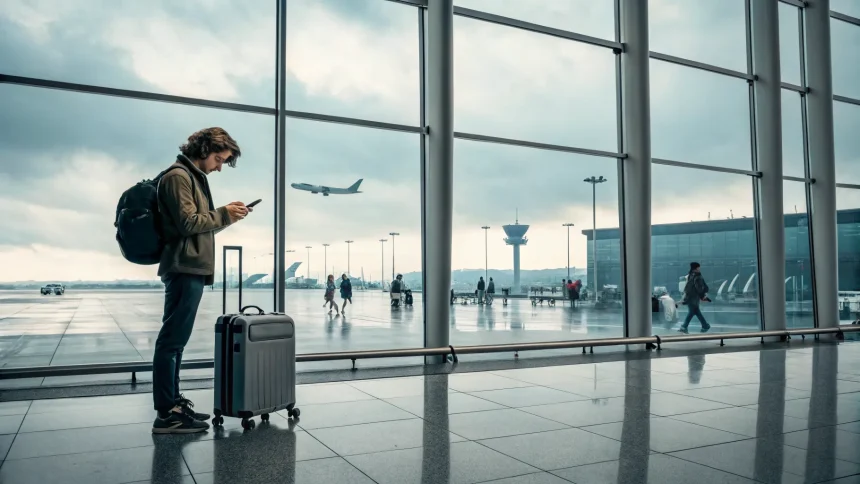
U.S. travelers are facing sharp sticker shock as airfares jump at a pace that outstrips most household budgets. The latest inflation report shows a year-over-year surge that is forcing families, business travelers, and airlines to rethink plans.
The latest inflation figures showed that average airline fares rose nearly 27% compared to last year.
The jump comes amid strong demand for seats, higher operating costs, and tight capacity on key routes. The increase is national in scope and cuts across leisure and business travel. It also raises new questions about affordability as the summer travel season approaches.
What is driving the spike
Several forces are pushing fares higher at the same time. Airlines have been rebuilding schedules after years of disruption. Demand has returned faster than seats in many markets. That mismatch adds pressure to prices.
Fuel remains one of the biggest costs for carriers. Jet fuel prices have been volatile in recent years, and hedging strategies vary by airline. Even modest swings can ripple through ticket prices.
Labor costs have also climbed. New contracts for pilots, flight attendants, and ground crews reflect a tighter job market. Training pipelines for pilots and mechanics take time to expand, which can limit growth in capacity.
Aircraft availability is another constraint. Delivery delays and maintenance backlogs keep some planes out of service. Fewer available seats can lead to higher prices on popular routes and peak travel days.
How it hits travelers
Households planning reunions, weddings, or once-a-year vacations face hard choices. Some travelers are shortening trips, switching destinations, or skipping checked bags to save money. Others are driving instead of flying for medium-length journeys.
Business travel is also adjusting. Smaller firms often lack bulk discounts and feel the increases more acutely. Companies are tightening approval policies and favoring video meetings for routine check-ins.
Price sensitivity is showing up in booking patterns. Travelers are searching farther in advance and using fare alerts. Many are flexible on departure days to find better deals.
Airline strategy and industry response
Carriers are adding capacity where they can, but growth is uneven. Some airlines are shifting planes to high-demand leisure routes. Others are restoring corporate-focused schedules in major hubs.
Ancillary fees remain a pressure valve. Travelers may see lower base fares paired with higher fees for seat selection and bags. This structure helps airlines manage demand while keeping entry prices visible in search results.
Loyalty programs are playing a larger role. Travelers who hold airline credit cards or elite status can offset some costs with miles, free bags, or preferred seating.
Regional differences and seasonal swings
Fares can vary widely by market. Flights to sun and beach destinations often see the steepest increases during school holidays. Smaller airports with fewer carriers have less competition and larger swings.
International fares are moving differently by region. Transatlantic demand has been strong as travelers return to Europe. Some long-haul routes to Asia are still rebuilding capacity, which can keep prices elevated.
What travelers can do now
There are practical steps to reduce the impact. Flexibility, planning, and smart use of rewards can make a difference.
- Search across nearby airports and adjust travel dates by two to three days.
- Book earlier for peak seasons and set fare alerts for target routes.
- Consider one-stop itineraries, which can be cheaper than nonstop flights.
- Leverage miles and points, and compare total price after fees.
- Track fare drops and use 24-hour cancellation or change policies when available.
What to watch next
Capacity growth will be key. If more planes and crews enter service, price pressure could ease on some routes. Fuel costs bear close watching as they feed through to fares with a lag.
Consumer behavior may shift again if budgets tighten. If demand cools, airlines may lean more on sales and loyalty promotions. If demand holds firm, higher prices could stick longer.
Regulators and policymakers are monitoring competition and fee transparency. Clear pricing could help travelers compare the true cost of a trip.
The 27% jump in average fares sends a simple signal. Seats are scarce and costs are higher. Travelers who plan early, stay flexible, and use rewards will be best positioned to manage the hit. The next few months will reveal whether capacity gains and calmer fuel markets can bring relief, or if elevated prices become the new normal.