

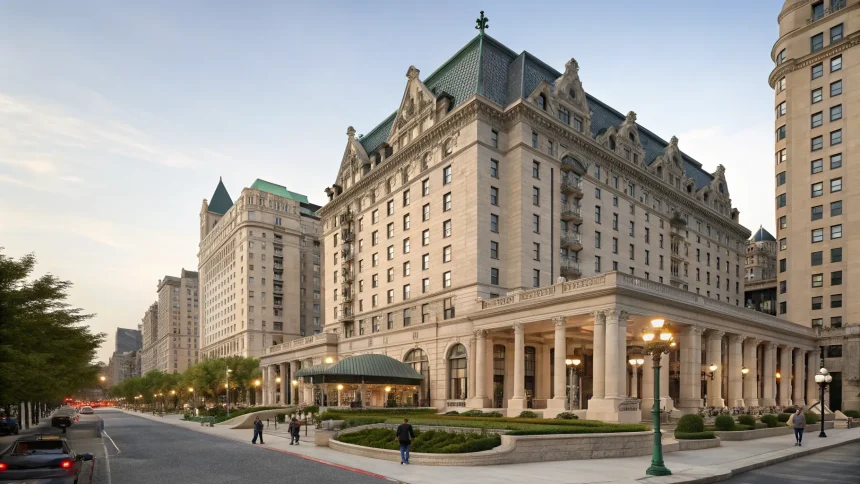
In Wilmington, the Hotel Du Pont stands as a statement of status and taste, pairing modern comforts with grand Italian Renaissance Revival décor. The property continues to draw travelers, civic leaders, and event planners who see it as a place where heritage and high-end service meet. Its pull is about more than nostalgia; it speaks to the city’s efforts to grow tourism and protect historic assets at the same time.
“Hotel Du Pont endures as a symbol of wealth and power, offering luxurious modern accommodations surrounded by Italian Renaissance Revival furnishings.”
The hotel’s identity is bound up with the story of Wilmington’s past and its bid for a stronger downtown. As hospitality recovers and cities compete for visitors, the question here is how to keep history vivid while serving current needs.
Legacy written in stone and wood
Opened in 1913, the Hotel Du Pont was designed to impress. Its carved wood, gilded ceilings, and patterned stonework set a tone that still guides the guest experience. The style, rooted in Italian Renaissance Revival, reflects an early 20th-century vision of civic pride and corporate power.
Local historians often cite the property as a major work of the era, with craftsmanship that is hard to duplicate today. The building’s ballroom, rotundas, and salons were designed for pageantry and public life, making it a preferred setting for weddings, benefits, and corporate meetings.
Modern comfort, historic frame
The hotel has added updated rooms, improved lighting, and enhanced connectivity while keeping original finishes in public spaces. That balance appeals to guests who want a strong sense of place without giving up speed, comfort, or privacy.
Preservation planners point to hotels like this as case studies in how to upgrade systems without erasing character. The approach usually involves careful staging: refresh guest rooms and back-of-house areas, then restore lobbies and dining rooms with period-correct details and durable materials.
- Key draw: ornate public spaces paired with contemporary rooms.
- Risk: over-renovation that dulls historic identity.
- Goal: steady updates that protect finishes and improve service.
A civic anchor with economic weight
For Wilmington, the hotel is more than a destination; it is a downtown anchor. Large events fill rooms and spill over to nearby restaurants and shops. Out-of-town guests extend stays to visit museums, gardens, and regional attractions.
Tourism officials argue that heritage hotels help cities market themselves with images that feel distinct. The Hotel Du Pont’s look—wood-paneled halls, coffered ceilings, and grand stairs—creates a memorable backdrop for meetings and media, which in turn supports repeat business.
Guests want meaning, not just amenities
Traveler surveys often show growing interest in places with a story. The hotel meets that demand by letting guests move through spaces that feel preserved yet usable. A meeting in a historic salon or a dinner in a classic dining room can carry more weight than the same event in a generic hall.
That said, expectations have shifted. Today’s corporate clients ask for flexible meeting tech, wellness options, and quick room turns. Maintaining that service level inside a historic shell requires planning and investment, from acoustics to HVAC and accessibility.
What to watch next
The next phase of the hotel’s life will hinge on a few practical choices. Managers will need to time renovations to avoid major disruptions, protect original materials, and train staff to operate in a building with special needs. Partnerships with preservation experts and local museums could deepen programming and add value without heavy construction.
Success will be measured in more than bookings. If the hotel continues to host major events, draw leisure travelers, and serve as a backdrop for civic moments, it will keep its status as a cultural marker as well as a business asset.
The enduring appeal of the Hotel Du Pont lies in its promise: a stay that feels both current and storied. Keeping that promise will require steady care, clear priorities, and a respect for the rooms that made it famous.