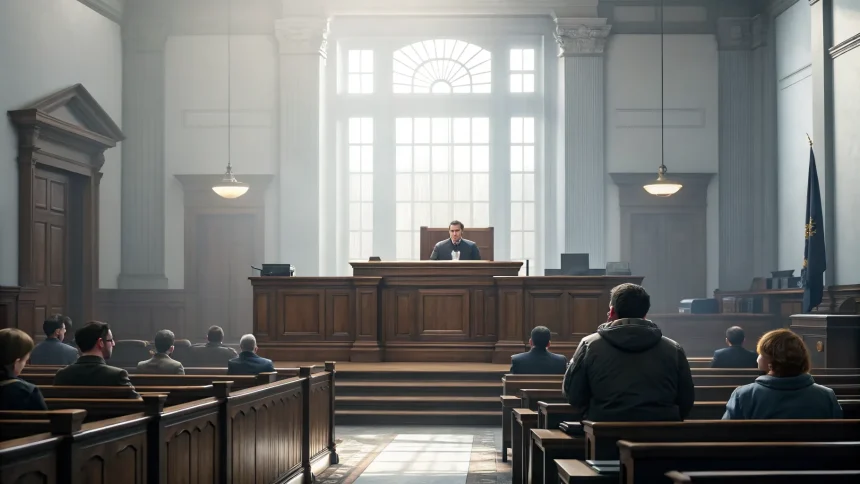
A new lawsuit against OpenAI alleges that ChatGPT offered legal guidance that led to real legal trouble, raising high-stakes questions about accountability for consumer AI tools. The complaint, filed recently, frames the dispute as more than a private grievance. It challenges how companies design, market, and warn users about chatbots that answer questions with authority, even on sensitive legal matters.
“A lawsuit was filed against OpenAI, asserting that ChatGPT gave legal advice that instigated legal problems.”
At issue is whether an AI system that appears confident can be held responsible when users act on its answers. The case touches on product safety, professional licensing, free speech, and consumer protection law. Observers are watching closely because the outcome could set new boundaries for AI assistance across many fields.
Background: Chatbots, confidence, and real-world harm
Consumer chatbots often present fluent answers that sound authoritative. But they can make errors, omit context, or fail to apply local law. OpenAI’s terms state that ChatGPT is not a lawyer and should not replace professional advice. Even so, users may rely on its output when stakes are high.
Courts have already seen fallout from misuse of AI in legal settings. In 2023, a New York federal judge sanctioned lawyers after they filed a brief with fake case citations produced by an AI tool. In Canada, an airline faced liability when its customer-service chatbot gave a passenger inaccurate guidance on refunds. These episodes show how fast answers can lead to costly mistakes.
What the complaint suggests about duty and design
The lawsuit suggests chatbots can cross a line from information to advice. If a tool is marketed as helpful for legal questions, plaintiffs may argue the developer owes a duty to prevent foreseeable harm. That duty could involve warnings, tighter safeguards, or clearer refusal to answer.
“An AI Insider analysis and scoop.”
Experts say plaintiffs might frame the tool as a product with defects in design or warnings. Defendants are likely to argue that outputs are speech by users’ prompts, that terms and on-screen notices limit liability, and that the system is a general-purpose tool, not a legal service.
How this could affect consumers and small businesses
People search for quick legal help on common tasks, such as leases, traffic tickets, or workplace issues. A confident but wrong answer can push someone to miss a deadline or waive a right. Small businesses may rely on free tools to cut costs and face penalties if they follow flawed guidance.
- Consumers could see stronger warnings and refusal messages for legal topics.
- Companies may restrict outputs that look like tailored legal instructions.
- More features may push users to consult licensed attorneys.
The legal questions on the table
Key issues likely include whether the tool provided “advice” rather than general information, whether disclaimers shield the company, and how consumer protection laws apply. Courts may also consider if producing step-by-step instructions for a user’s specific facts triggers unlicensed practice of law concerns.
Section 230 of the Communications Decency Act protects platforms for user content, but defendants may struggle to invoke it for AI-authored text that is not supplied by a user. Judges are still sorting out how existing statutes apply to AI-generated content.
Industry response: Guardrails, transparency, and audits
Major AI developers now warn users about legal and medical topics and train models to refuse detailed advice. Some are testing “source view” features, citations, or jurisdiction filters. Risk teams also run red-team exercises to catch prompts that push the model into unsafe territory.
Policy groups urge clearer labeling when an answer may vary by state or country. They also recommend routing legal queries to licensed providers or offering verified referrals. Enterprise customers are asking for audit logs, stronger content filters, and indemnities.
What to watch next
The court’s early rulings on motions to dismiss will signal how much of the case moves forward. Discovery could reveal internal decisions about warnings, prompts, and refusal behaviors. Any settlement terms might shape industry norms, even without a final verdict.
Regulators are also paying attention. Consumer protection agencies have warned that disclaimers alone may not cure misleading product design. Legislatures are debating rules for high-risk uses, including legal and health advice.
If the suit advances, expect more explicit on-screen notices, stronger refusals on legal topics, and clearer pathways to licensed help. For users, the safest step remains the simplest: treat chatbot answers as starting points, not final guidance.
The case could set new expectations for how AI tools handle legal questions, how companies disclose risks, and how courts weigh speech against safety. Until then, experts advise seeking a qualified attorney for any action that could affect rights, money, or liberty.