As fuel prices jump after a sharp oil shock, shoppers are redoing the math on how they move. Electric vehicles are back in the spotlight. The message is simple: when gasoline is expensive, electricity looks like a bargain. China’s EV makers say they are ready to supply cars at scale and at lower prices.
A historic oil shock and surging fuel prices are strengthening the case for electric vehicles. China’s EV makers are eager to deliver.
The swing in energy costs is shifting buyer behavior. Households are watching monthly budgets tighten. Fleet operators are watching total cost of ownership. Policymakers are watching inflation. Taken together, that pressure could speed up the switch to battery-powered cars.
Why high fuel prices change the math
When gasoline costs rise, the cost per mile in a gasoline car climbs with it. Electricity prices tend to move more slowly. That gap can shorten the payback period for an EV.
Owners also avoid oil changes and many routine services. Those savings can add up for high-mileage drivers. Delivery fleets and ride-hailing drivers feel the shift first. Commuters often follow once they trust the range and charging access.
Analysts say this pattern has repeated during past oil spikes. The International Energy Agency has noted that price shocks push buyers toward efficiency, hybrids, and electric models. The effect is stronger if prices stay high for months.
China’s makers see an opening
Chinese brands have grown fast at home, building large factories and supplier networks. Many now plan to sell more cars abroad. They offer compact models at lower prices and premium models with advanced software.
Executives frame the moment as a chance to scale exports. The promise is quick delivery and aggressive pricing. They argue that high fuel costs make their value pitch clearer to shoppers.
But they face hurdles. Import rules, tariffs, and safety ratings vary by market. Some governments are reviewing supply chains and data security. Brand recognition and service networks also matter. Buyers still ask who will fix the car and how long parts will take.
Charging, grids, and the buyer experience
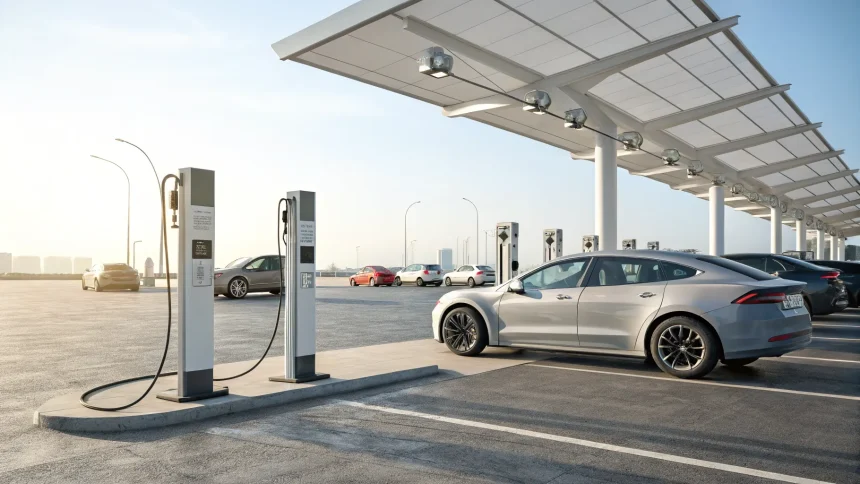
Charging access remains a key worry. Drivers need reliable fast chargers on highways and dependable home or workplace options. Utilities need time to prepare for higher demand on local grids.
Maintenance is less frequent for EVs, but repairs after a crash can be costly if parts are scarce. Resale values depend on battery health and software support. Clear warranties and trade-in offers can help address those fears.
Financing is another factor. Higher interest rates can offset fuel savings. Lenders are learning how to price residual values for new brands. Transparent pricing and simple ownership plans could sway undecided buyers.
Policy, trade, and the road ahead
Many countries offer tax credits or rebates for clean cars. Others set fuel economy rules or deadlines for engine sales. These policies amplify the pull from high fuel prices.
Trade is a wild card. New tariffs or content rules could reshape supply chains and prices. Local assembly and joint ventures are on the table as manufacturers seek market access.
For consumers, the mix of incentives, taxes, and charging grants will guide choices. For companies, stable rules are crucial for planning factories and ports.
Signals to watch in the next six months
- Average pump prices and how long they stay elevated.
- EV order backlogs, delivery times, and dealer inventory.
- Fast-charging reliability and station uptime reports.
- Announcements on tariffs, safety standards, and data rules.
- New financing offers and certified used EV programs.
The current oil shock has put EV economics in sharper focus. If fuel prices remain high, more households and fleets are likely to switch sooner. Chinese manufacturers are positioning themselves to meet that demand, but they must clear policy and trust hurdles in key markets. The next phase will be shaped by how quickly charging improves, how governments set the rules, and whether prices at the pump cool. For buyers watching every mile, the savings case is getting harder to ignore.