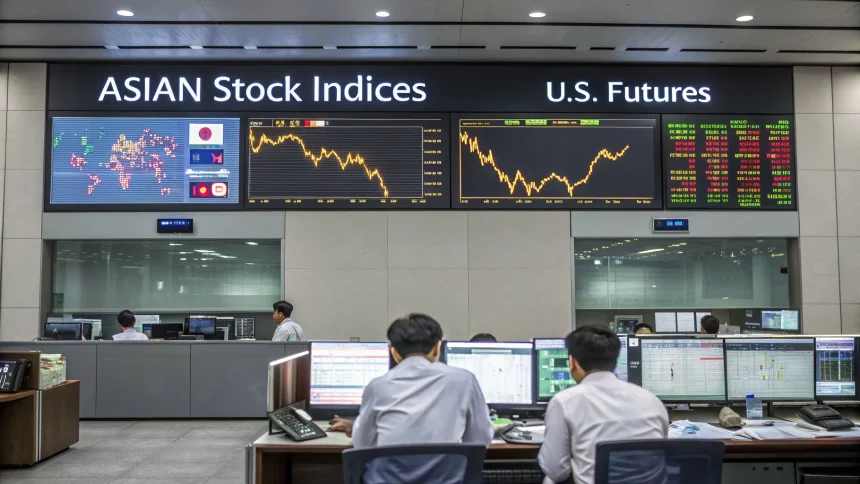
Equities across Asia slipped Friday, a sharp contrast to fresh highs in New York, as traders fixated on whether possible U.S.-Iran talks will gain traction and if a ceasefire due to expire next week will be extended. Oil prices eased and U.S. futures inched higher, signaling a cautious start for Wall Street.
The pullback underscored how security risks are steering market mood across the region. Investors are weighing the odds of new diplomatic movement against the cost of renewed tension if talks falter or a truce lapses. For now, cash is rotating into perceived havens and defensives, even after a strong U.S. rally.
Why Asia flinched while Wall Street cheered
American stocks have climbed on solid earnings and resilient consumer spending. Yet Asia’s session showed that headlines can trump momentum when risk events near. Traders said a ceasefire decision due next week is close enough to affect positioning into the weekend, with some cutting exposure.
“Asian stocks were lower Friday even after Wall Street set another record,” the report said, adding that “investors watched for signs of more U.S.-Iran talks and an extension of the ceasefire … expiring next week.”
Energy markets reflected that caution. While crude prices fell on Friday, the bid for protection has been visible in recent weeks whenever tensions intensified. Lower oil offered a modest offset for importers in Asia, but the move was not enough to lift equities.
Geopolitics and the price of risk
Markets often treat diplomatic timelines as tradable events. The chance of progress can ease volatility. The threat of a breakdown can magnify it. Ahead of next week’s deadline, dealers cited thinner liquidity and faster intraday swings, common features before policy or security milestones.
The region is highly sensitive to energy shocks. A sustained rise in crude would pressure trade balances in Japan, South Korea, India, and parts of Southeast Asia. Cheaper oil, by contrast, can reduce inflation and support central banks considering rate cuts later this year.
- If talks advance and the truce holds, risk assets in Asia could rebound.
- If negotiations stall or the ceasefire lapses, energy and defense shares may outperform, while airlines and shippers lag.
- Short-term volatility is likely either way as positions reset.
Reading the cross-asset signals
Friday’s modest uptick in U.S. equity futures suggested no broad flight from risk in America. The divergence with Asia points to local caution rather than a global shift. Currency markets stayed watchful, with traders eyeing any safe-haven moves if headlines worsen.
“Oil prices fell Friday, while U.S. futures edged up modestly,” the report noted, reflecting a market that is nervous but not panicked.
Bond markets in the region have seen steady demand this month as a hedge. That pattern often appears when event risk rises and corporate earnings take a back seat. Investors say the setup favors quality balance sheets and stable dividends until clarity emerges.
What history suggests
Prior Middle East flare-ups have produced short-lived spikes in crude followed by quick reversals when supply disruptions failed to materialize. Equity drawdowns in Asia during similar episodes have often recovered once a diplomatic path appeared or when inventories proved ample.
Still, each episode is different. The current focus on a ceasefire decision introduces a defined deadline that can compress moves into a narrow window. That timing effect can amplify both relief rallies and selloffs.
What to watch next
Attention now centers on official statements about talks and any extension of the ceasefire next week. Energy inventories and shipping updates will be key for judging how oil might behave if headlines swing.
Portfolio managers say they are stressing liquidity, avoiding crowded trades, and trimming leverage. If the truce holds, cyclicals tied to trade and travel could see a quick bounce. If it fails, dealers expect higher volatility across transport, chemicals, and consumer sectors that are sensitive to fuel costs.
In the near term, the market’s path hinges on diplomacy rather than data. The region’s weak finish, despite U.S. records, shows how headline risk can outweigh momentum at critical moments. For investors, the playbook is simple: stay hedged, keep cash flexible, and let the news set the pace.