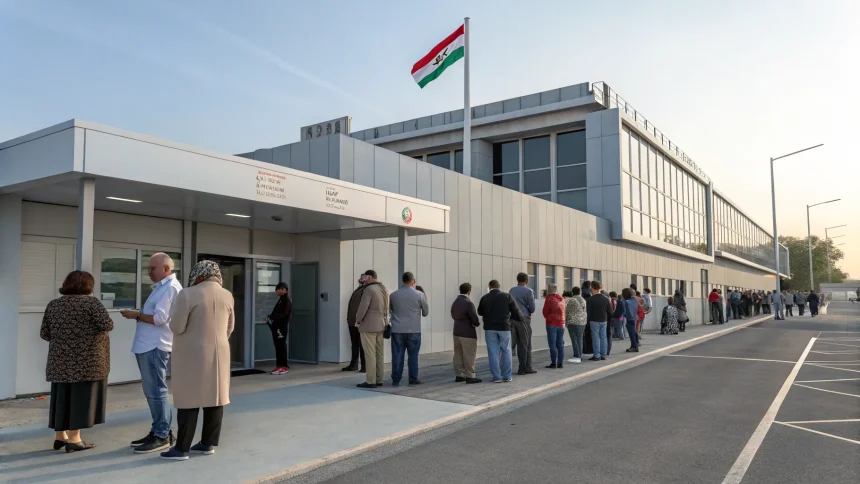
Hungary is set for a high-stakes parliamentary vote on April 12, with consequences that reach far past Budapest. The result will shape ties with the European Union, Ukraine, and the United States. Diplomatic partners are watching for signs of continuity or change in policy.
“On April 12, Hungarians will vote in the parliamentary elections. The outcome will impact Hungary’s relationship with the European Union, Ukraine, and the United States.”
The election comes as Europe faces war on its eastern flank and economic pressures at home. Energy security, defense spending, and migration remain hot issues. Voters will be asked to judge the current course and decide whether to stick with it or try a different path.
What is at stake
Hungary’s government has balanced national control with EU obligations. That balance affects funding, trade, and regional influence. The next parliament will set the tone for cooperation or conflict with key partners.
- Relations with the EU over rule-of-law and funding
- Policy on Russia’s war in Ukraine and regional security
- Ties with the United States on defense and energy
These issues shape daily life through prices, jobs, and public services. They also affect Hungary’s voice in Europe.
Europe and the rule-of-law debate
Hungary and EU institutions have clashed over judicial independence, media rules, and anti-corruption measures. Parts of EU funding have been tied to reforms. This has real budget effects.
A government with a mandate for closer alignment could move to unlock more EU money by addressing Brussels’ concerns. A harder line could extend disputes and delays. Either path will influence investment and public projects.
Trade partners in the EU want predictability. Businesses seek signals on regulation and access to funds. The next cabinet’s approach may reset or extend a long-running standoff.
War in Ukraine and regional security
The war next door continues to test Europe’s unity. Hungary has taken a cautious stance on sanctions and military support. It has focused on limiting energy shocks and keeping channels open.
Election outcomes may shift the balance. A government favoring closer coordination with EU and NATO allies could back tighter sanctions or more aid. Another course could keep current limits in place, stressing economic stability and talks.
Refugee support and cross-border logistics also matter. Transport routes through Central Europe are critical for aid and trade. Policy choices in Budapest can speed or slow regional efforts.
Ties with the United States and NATO
Hungary’s NATO commitments include defense spending targets and hosting allied activities. Washington has pressed for strong alignment on Russia and energy diversification. Cooperation levels have varied in recent years.
A smoother relationship could bring deeper defense cooperation and technology sharing. A rough patch could mean fewer joint initiatives and sharper public disagreements. Either way, Hungary’s role on NATO’s eastern flank remains important.
Economy and domestic pressures
Inflation and energy prices have strained households. EU funds and foreign investment help finance infrastructure and social programs. Tourism and manufacturing depend on stable ties with partners.
Any cabinet will have to juggle budget limits with voter demands. Choices on tax policy, subsidies, and wage support will shape growth. Foreign policy signals often sway investor confidence and borrowing costs.
What to watch next
Turnout will hint at voter intensity and momentum. Early statements from party leaders may set expectations on EU talks, Ukraine policy, and dealings with Washington. Market reactions could follow quickly.
Analysts will track whether the result points to compromise or confrontation with Brussels. They will also watch for signs of a clearer stance on the war and energy security. Regional partners will look for predictability.
The April 12 vote is a choice about Hungary’s direction at home and abroad. The result will send a message to European capitals and allies. The next government’s first moves will show how that message becomes policy.