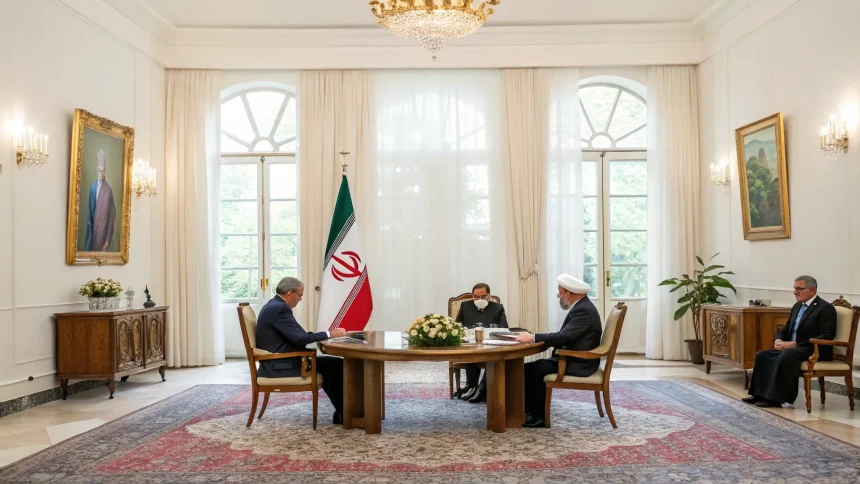
Iran has signaled it wants to wind down hostilities, a message that could cool an unstable moment across the Middle East. A representative of Supreme Leader Ali Khamenei said Iran seeks an end to the ongoing conflict, as tensions with the United States rise and military activity continues. The statement arrives while major powers press for diplomacy to stop a wider regional war.
The new tone suggests an opening for talks. It comes as governments weigh the risks of more strikes, miscalculation, and spillover across borders. The timing matters because every fresh incident raises the chance of a broader confrontation.
Background And Rising Stakes
Iran and the United States have faced periodic flare-ups for years. Proxy groups, sanctions, and maritime incidents have kept the region on edge. Any direct clash could draw in multiple actors and disrupt global energy flows. Regional governments have urged restraint, warning that more violence would hit civilians hardest and unsettle fragile economies.
Diplomatic channels have remained active even during tense moments. Back-channel contacts and third-party mediation have helped prevent short crises from growing larger. Still, the space for dialogue has narrowed when rhetoric hardens or strikes escalate.
Signals From Tehran
The message from Tehran is brief but clear. It points to a preference for lowering the temperature, at least for now. The representative, speaking on behalf of the Supreme Leader, framed the goal plainly:
“A representative of Iran’s Supreme Leader Ali Khamenei has indicated that Iran wants to end the ongoing conflict, signaling a possible shift toward de-escalation.”
This phrasing leaves room for conditions. Iran often ties security steps to moves by rivals and to guarantees about sovereignty and sanctions. Even so, a public call to end fighting creates an opening for envoys to explore.
International Response And Risks
Global powers have urged both sides to avoid further strikes. They warn that an incident at sea, an errant missile, or a misread signal could spark a chain reaction. Humanitarian groups also fear that aid routes could be cut if fighting spreads.
Washington has backed diplomacy while keeping military options ready as a deterrent. European capitals have pressed for restraint and for reactivating dialogue that reduces miscalculation. Regional states, wary of becoming battlegrounds, have encouraged quiet talks.
The main risk is that political pressure and local grievances overpower diplomatic efforts. Spoilers on any side could test red lines. A single event can change calculations overnight.
What De-Escalation Could Look Like
While details were not provided, a practical path to lower tensions could include limited, verifiable steps that build confidence and reduce immediate risks.
- Mutual pauses in cross-border or proxy attacks.
- Hotlines to avoid accidents and manage incidents at sea or along borders.
- Facilitated talks through neutral states or international bodies.
- Humanitarian access commitments that keep aid flowing.
- Narrow agreements on maritime safety and airspace conduct.
Each step would be easier to achieve if paired with clear, public messaging. Transparency can limit rumors and help domestic audiences accept restraint.
Assessing The Opportunity
The statement from Tehran matters because it creates diplomatic space. It also raises difficult questions. What conditions does Iran expect? What assurances are the United States and partners willing to consider? How will regional groups respond if they feel sidelined or threatened?
If parties can align minimal goals—no new strikes, protected shipping lanes, and reliable communication—momentum could build. Past efforts show that even narrow accords can reduce casualties and buy time for broader talks.
Still, durable calm will require addressing root issues. That includes security guarantees, sanctions relief debates, and the roles of allied groups. Progress is more likely if negotiators set realistic timelines and verify each step.
For now, the key development is Iran’s stated interest in ending the conflict. That signal invites a coordinated response focused on restraint, communication, and practical measures that lower immediate danger.
The coming days will test whether words turn into actions. Watch for reductions in strikes, activation of de-confliction channels, and signs of third-party mediation. If those pieces appear, the region could move from crisis management to cautious stability.