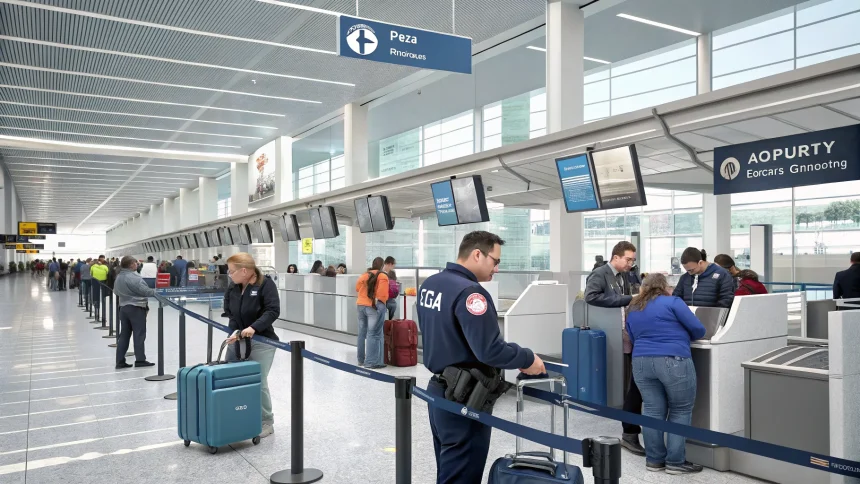
Transportation Security Administration agents have started receiving long-delayed paychecks after working for weeks without pay, easing immediate strain on airport security staff as a partial government shutdown continues to drag on. The relief is welcome, but the next payday remains unclear, raising fresh questions about staffing, morale, and the passenger experience across the nation’s airports.
The development affects screeners and support personnel at checkpoints across major hubs and regional terminals. It comes in the middle of a funding lapse that has left many federal employees juggling bills and overtime while trying to keep critical services running. For travelers, the news brings short-term stability but not a firm timeline for what lies ahead.
Paychecks Arrive, But Uncertainty Lingers
TSA agents are finally getting paychecks after working weeks without pay. The ongoing partial government shutdown means future pay is still uncertain.
The arrival of back pay helps workers catch up on rent, utilities, and other essentials. Yet many are wary. Without a full funding agreement, upcoming pay cycles remain at risk. That uncertainty can weigh on staffing plans, from scheduling overtime to filling shifts at peak travel hours.
Union leaders and airport managers have in past shutdowns warned that extended gaps can fuel higher absenteeism and make it harder to retain trained officers. Even short disruptions can ripple through operations because security teams are specialized, and replacing or reassigning them takes time.
Why This Matters for Security and Travelers
TSA officers are classified as essential. They must report to work regardless of funding status. During pay lapses, many still cover double shifts and busy holiday windows. Pay interruptions complicate that commitment, especially for workers with long commutes or dependent care needs.
For passengers, the impact shows up at checkpoints. Lines can grow when staffing is tight or when reassignments stretch teams thin. While today’s paychecks reduce near-term pressure, the outlook for the next pay period will shape how predictable screening remains.
- Plan extra time for security, especially at large hubs and early morning banks.
- Check airport and airline alerts for wait-time updates before leaving for the airport.
- Keep identification and carry-on items organized to speed screening.
Background: Shutdowns and Pay Gaps
Partial government shutdowns halt funding for agencies without enacted budgets. Employees who perform essential functions often work without immediate pay, then receive back pay once funding resumes or a temporary measure passes. Each gap can create cascading financial stress for households that rely on steady income.
Previous funding lapses have shown that even brief interruptions can become costly. Workers turn to savings, credit, or community support to bridge the gap. Lenders and credit unions sometimes offer short-term relief, but those options vary and may carry interest or fees.
Operational Strain and Workforce Resilience
TSA’s mission demands consistent staffing and training. Security officers must maintain focus while applying complex screening procedures. Financial stress can make that job harder. Supervisors then face a balancing act: uphold security standards, manage fatigue, and respond to shifting schedules when pay is uncertain.
Despite these challenges, checkpoints have continued to function. Officers have kept lines moving through major storms, holiday surges, and equipment outages. The latest paychecks provide immediate help, but a clear funding path would give teams the stability they need to plan for peak periods and scheduled maintenance.
What Comes Next
The next steps depend on the budget process. A quick resolution would lock in pay cycles and let TSA rebuild schedules with confidence. A longer stalemate would raise the risk of renewed delays and staffing strain, especially if overtime or sick leave shifts offset shortages.
Travelers can prepare by arriving early, packing light, and staying informed. Airports can continue to message wait times, adjust lane openings with demand, and prioritize training that keeps new hires on track. These steps will not replace stable funding, but they can reduce friction if uncertainty returns.
For now, getting paid resets the clock for many TSA workers and buys time. The test will be whether that brief relief holds long enough to protect security operations and keep passenger journeys on schedule.