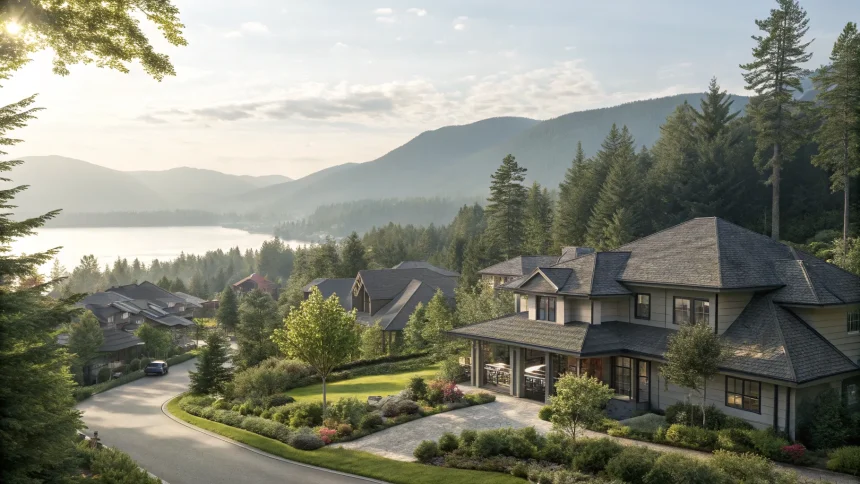
Canada’s wellness tourism scene is changing as housing enters the picture, according to agents who track buyer interest in resort towns and rural hubs. For years, travel tied to health and relaxation centered on retreats, spas, and hot springs. Now, real estate professionals say more clients want wellness built into daily life, not just a weekend stay. This shift is drawing attention from developers, municipalities, and hospitality brands across the country.
“Most of the activity in Canada’s wellness tourism market is concentrated in destinations,” several realtors said, “but a shift is happening.”
From Destinations to Daily Life
Wellness tourism has long meant trips to lodges, mineral pools, and mountain spas. The focus was on short stays and packaged experiences. Travelers sought rest, fitness classes, and nature access. Resorts and tour operators set the pace.
Realtors now report a growing interest in homes and condos designed with wellness in mind. Buyers ask about air quality, outdoor access, and quiet working spaces. They also ask about trails, clinics, and food options nearby. The goal is a steady routine, not a one-off retreat.
Housing tied to wellness is moving into established resort towns and smaller communities. The trend spans lake districts, ski areas, and coastal regions. Some buyers want a second home they can rent part-time. Others want to relocate for good.
Developers Test Wellness Amenities
Property developers are watching this demand. Many are adding features that used to be found mainly at resorts. On-site fitness studios and saunas are common. So are walking paths, bike storage, and shared gardens. Simple design choices, like better daylight and quiet rooms, are getting attention.
Hospitality groups are also adapting. Some are introducing longer-stay units with kitchenettes and work areas. Others are partnering with health providers for on-call services or seasonal programs. The aim is to link short stays with longer commitments.
- Outdoor trail access and safe cycling routes
- Clean air systems and low-noise design
- Shared gardens and farm-to-table options
- Flexible work and recovery spaces
- Access to clinics, therapists, and classes
Communities Weigh Benefits and Risks
Local leaders see both promise and pressure. New investment can support jobs and year-round activity. It can keep small towns busy outside peak seasons. Health-focused design may also lift public well-being for residents.
But risks are clear. Rising demand can raise home prices for locals. Short-term rentals can tighten supply. Environmental impacts may grow if growth is not managed. Trails, water use, and waste systems can face new strain.
Indigenous partners, health experts, and planners are asking for careful steps. They want clear rules on zoning and rentals. They also want projects that protect water, forests, and wildlife. Authentic culture and local health access must remain central.
Signals To Watch
Realtors say buyer questions offer early clues. People ask how close a home is to nature. They ask about noise, allergens, and light. They seek proof of design standards. They want walkable access to food, care, and fitness.
Financing may follow if demand holds. Lenders could look for data on health features and resale value. Insurers may ask about building materials and air systems. Municipalities may offer incentives for active transport links and energy goals.
What This Means for Travelers and Buyers
For travelers, the line between vacation and routine is thinning. A spa trip could lead to a seasonal rental, then a purchase. Programs that begin as weekend classes may become monthly memberships.
For buyers, homework matters. Health claims should be backed by design details and maintenance plans. Trails and clinics need stable funding. Communities should set clear limits on rentals and traffic. Construction should match local climate risks.
Canada’s wellness tourism story is entering a new phase, with homes and neighborhoods taking center stage. The market still values classic retreats. Yet agents say more clients want healthy living every day, not just on holiday. The coming year will test which projects can balance access, affordability, and the natural assets that draw people in. Watch for towns that set clear rules, projects that prove real health gains, and travel brands that support longer stays without pricing out locals.