A wave of design-forward retreats is steering travelers outside, from a high-design pavilion in upstate New York to a horse-farm-turned-hotel on a Swedish island. Opened or refreshed in recent seasons, these stays lean on wood, light, and quiet settings to promise a slower pace. Their rise speaks to a wider push for nature, privacy, and small-scale lodging that blends escape with style.
From a high-design pavilion in upstate New York to a horse-farm-turned-hotel on a Swedish island, these new or renovated getaways revel in nature.
A design-led return to the outdoors
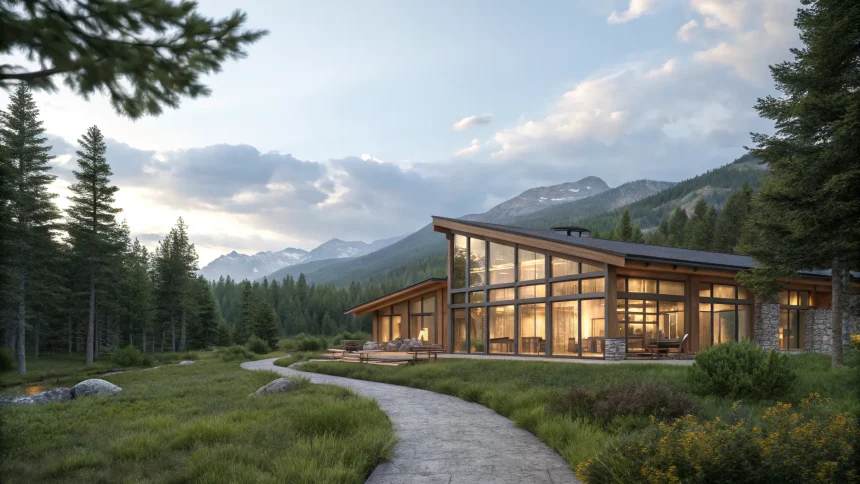
The pavilion model in upstate New York highlights how modern architecture can frame the outdoors. Think low profiles, floor-to-ceiling glass, and generous decks that pull views into daily life. Guests can watch weather move across hills, then step straight to trails. Designers say the goal is simple: remove barriers between interior and exterior while keeping comfort intact.
Across the Atlantic, the farm-turned-hotel on a Swedish island points to another approach. Instead of new builds, owners are reworking barns and stables into rooms that keep original beams, stone, and wide doors. The results favor quiet courtyards, native plantings, and walking paths to shorelines or fields. Many guests choose these spaces for the mix of rural calm and practical access to ferries, cycling routes, and small harbors.
Adaptive reuse and local economies
Turning a farm into a hotel can carry benefits for nearby towns. Crews source timber, stone, and crafts locally. Seasonal kitchens use island produce and fish. In upstate New York, similar stays hire guides for hiking, birding, and fly fishing, spreading revenue to small operators. Short build timelines for renovations, compared with ground-up projects, also reduce heavy construction traffic.
But the model has trade-offs. Rural housing markets can tighten when visitor stays expand. Local officials often weigh permits against the strain on roads, water, and waste systems. Owners who invest in year-round jobs and fair housing rules tend to face fewer hurdles.
Environmental trade-offs
Nature-focused lodging depends on the health of the places it sells. That puts pressure on energy use, transport, and waste. New pavilions can cut demand with high insulation, passive solar gain, and careful siting that saves trees. Reused farm buildings avoid the emissions tied to new concrete and steel. Both benefit from heat pumps, rainwater harvest, and low-flow fixtures.
Travel to remote areas remains the largest footprint for many guests. Operators counter with shuttle links to train stations, on-site bike fleets, and sample itineraries that reduce car miles. Clear trail maps and wayfinding also ease crowding by spreading visitors across routes and times of day.
Access, price, and the promise of shoulder seasons
Demand for quiet, well-designed stays can drive rates up. Owners are testing tiered pricing, smaller rooms in converted spaces, and midweek packages to widen access. Some offer gear lending—snowshoes, rain jackets, or binoculars—so guests can travel lighter and avoid new purchases.
Shoulder seasons bring balance. Spring and fall offer calmer trails, open restaurant seats, and better prices. On islands, autumn light and harvest menus draw repeat visitors, while winter stays in the Northeast swap lake swims for sauna sessions and fireside reading.
- Book midweek to find lower rates and emptier trails.
- Use rail and ferry links where possible, then shuttle or bike.
- Choose renovated properties that publish energy and water practices.
Design as a guide, not a spectacle
Good design in nature is quiet. At the pavilion, the structure frames trees and sky without distracting flourishes. On the island, rooms keep the measured pace of farm life. Owners who limit lighting at night protect dark skies. Paths follow existing lines to protect roots and reduce erosion. These choices help the place, and they also give guests what they came for: stillness.
What to watch
Expect more small properties to refresh old buildings rather than build large new ones. Insurance and permitting will shape how remote sites grow. So will the availability of local trades who can repair rather than replace. Guests will keep asking about heating sources, water, and waste plans—and book with places that answer clearly.
The latest openings suggest a simple lesson. Nature is the draw, and design works best when it steps back. As more travelers seek space and calm, the stays that last will be those that care for the land, support neighbors, and keep the sky in view.