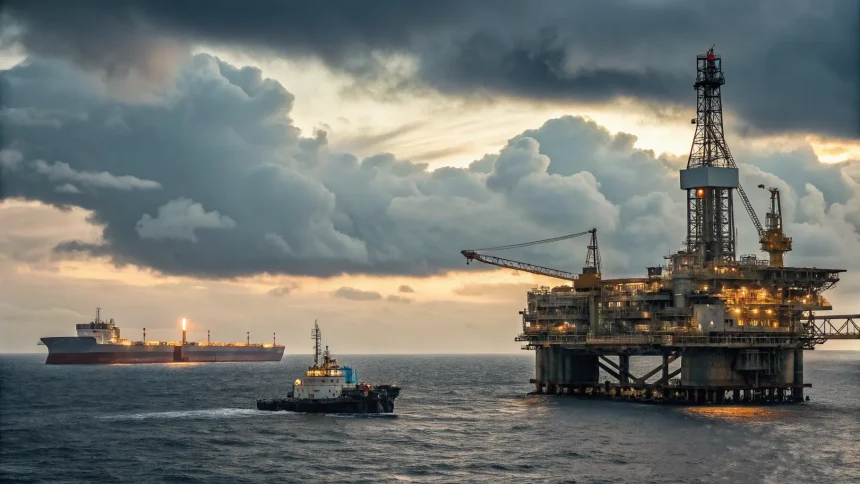
Oil prices whipsawed as traders weighed a sharp warning from the White House over Iran’s control of the Strait of Hormuz and Tehran’s counterthreats. The standoff injected fresh risk into a market already on edge, with crude rising early before giving up gains as investors parsed mixed signals on supply, diplomacy, and regional security.
The focus is on a narrow waterway with an outsized role in global energy flows. The U.S. pressed Iran to keep the strait open to commercial traffic, while Iranian officials signaled they could disrupt shipments if pressured. That clash of messages left markets guessing about the next move and how quickly supplies could be affected.
Why the Strait of Hormuz Matters
The Strait of Hormuz links the Persian Gulf to global markets. According to the U.S. Energy Information Administration, roughly one-fifth of the world’s petroleum liquids move through this chokepoint in a typical year. Any hint of blockage can jolt prices and freight costs.
Past flare-ups show how sensitive shipping can be. In 2019, attacks on tankers near the strait prompted insurers to raise premiums and forced temporary routing changes. In early 2020, after the U.S. strike that killed Iranian General Qassem Soleimani, crude prices briefly spiked on fears of retaliation.
Today’s anxieties echo those episodes. Even short disruptions can strain refineries that depend on steady cargoes from Saudi Arabia, Iraq, the United Arab Emirates, and Kuwait. Tanker owners also face higher risk costs when military tensions rise.
Market Reaction and Trading Signals
Prices initially climbed on the possibility of tighter supply, then retreated as traders judged that an immediate closure remained unlikely. The pattern reflected a classic geopolitical premium: a quick bid higher on threat headlines, followed by consolidation as new information arrived.
Energy desks watched shipping data, satellite imagery, and government statements for confirmation of any change in traffic. Trading volumes picked up during headline flashes, and intraday moves widened. Refiners and airlines looked to hedge fuel exposure, while producers assessed whether to lock in prices with forward sales.
Diplomacy, Deterrence, and Miscalculation Risk
Washington’s stance aims to keep the channel open, backed by naval assets and patrols with regional partners. Tehran often frames the strait as leverage in response to sanctions and political pressure. That push-pull can produce tense stand-offs, where missteps carry high costs.
Regional governments prefer de-escalation but prepare for contingencies. Gulf producers can redirect limited volumes through pipelines that bypass Hormuz, yet those routes cannot replace the strait’s capacity. Global oil stockpiles, including U.S. strategic reserves, provide a buffer, but they are not a long-term solution.
What Is at Stake for Energy and the Economy
Persistent tension can ripple through the real economy. Shipping delays raise freight rates and insurance costs. Refiners may pay more for prompt barrels, and those increases can flow to gasoline, diesel, and jet fuel. For consumers, that means higher prices if disruptions last.
Producers outside the Middle East may benefit from firmer prices, while import-dependent nations face larger bills. Central banks already wrestling with inflation watch energy closely. A prolonged shock would complicate efforts to keep prices stable while supporting growth.
Scenarios to Watch
- De-escalation: Quiet diplomacy lowers tensions, traffic continues normally, and the geopolitical premium fades.
- Limited disruption: Brief slowdowns or harassment raise costs and volatility, but flows persist.
- Severe shutdown: Widespread blockage triggers emergency releases and sharp price spikes; this remains a low-probability, high-impact risk.
Signals and Safeguards
Analysts track tanker crossings, port agent reports, and marine advisories for early warnings. They also monitor statements from OPEC members on spare capacity and from the International Energy Agency on stock release plans. A coordinated response can soften shortfalls if needed.
Companies with exposure to Middle East supply tend to diversify cargo sources, add fuel hedges, and review shipping insurance. Policymakers maintain back-channel talks to contain incidents and reduce chances of miscalculation at sea.
For now, the market is trading headline by headline, with sentiment shifting as diplomacy and deterrence play out. The key takeaways: the Strait of Hormuz remains vital, the probability of a full shutdown appears low, and even minor disruptions can lift costs. Watch for signs of traffic slowdowns, any notice of strategic stock releases, and messages from regional navies. Those signals will shape price action and set the tone for energy markets in the weeks ahead.