India’s Prime Minister Narendra Modi said the nation’s energy needs are covered, even as he warned that conflict involving Iran presents new risks for the world’s fastest growing large economy. The comments come as markets track Middle East tensions and shipping safety, factors that can sway oil prices and freight costs. The assurance aims to calm households and industry, while signaling that global shocks could still test supplies and inflation.
Assurance at home, turbulence abroad
“The country has sufficient energy supplies to meet domestic demand,” Modi said, while warning the Iran conflict creates “unprecedented challenges.”
India relies on imported fuel to power transport, factories, and homes. It buys more than four-fifths of its crude oil from overseas. Any disruption in West Asian routes or pricing ripples quickly through to pump prices and logistics.
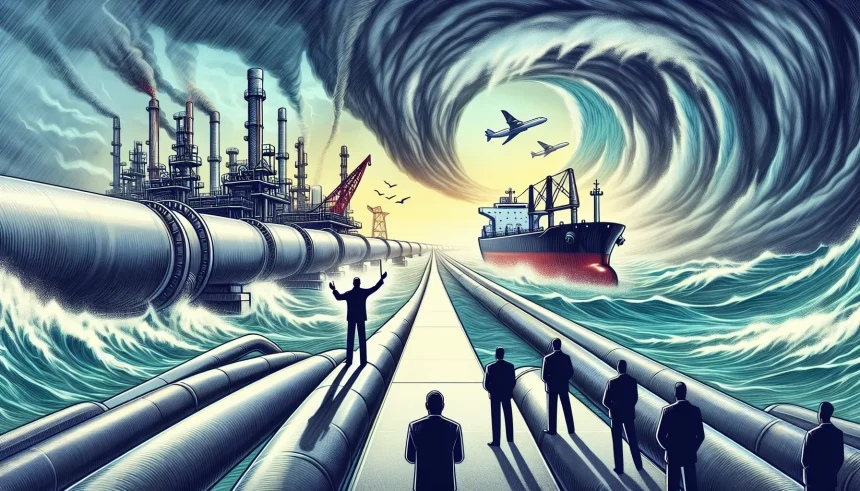
The Strait of Hormuz, near Iran, is a key artery for global oil flows. Any flare-up can raise insurance and shipping costs. In past periods of tension, benchmark Brent crude has jumped, straining fuel subsidies and the current account.
Why this matters for growth and inflation
India has been expanding near 7% a year in recent periods, outpacing other major economies. Energy affordability is central to keeping that momentum. Higher crude prices lift transport fares, food costs, and factory input bills. The central bank then faces a tougher trade-off between inflation control and supporting growth.
Economists note that energy shocks can widen the trade deficit. A wider gap puts pressure on the currency, which can make imports costlier. That loop can reignite price pressures even if demand slows.
How India is trying to shield itself
Officials have pushed a mix of diversification, storage, and domestic output. Refiners have varied their crude basket in recent years, increasing purchases from different suppliers based on discounts and freight. India also holds a strategic petroleum reserve of several million tonnes, with plans to add capacity over time.
Coal remains the main fuel for electricity, providing a buffer when oil and gas markets tighten. At the same time, the government is adding renewables and pushing energy efficiency to reduce import exposure over the long run.
- Diversified crude sourcing to manage price and supply risk
- Strategic petroleum reserves to handle short-term shocks
- Rising renewables and efficiency to temper future imports
Industry reaction and consumer impact
Refiners track freight rates and war-risk premiums daily. Executives say routing changes through safer corridors can keep cargoes moving but add cost. Retail fuel prices in India tend to adjust with a lag, so households may not feel the full effect right away. If global prices stay high, the pressure typically shows up later in transport and food.
Manufacturers with thin margins are most exposed. Sectors like airlines, chemicals, and cement are sensitive to swings in fuel and shipping costs. Some pass on costs quickly; others hedge or cut usage. The extent of impact depends on how long tensions last and whether key sea lanes remain open.
What analysts are watching
Energy market watchers list three signals: the pace of oil price moves, any insurance spikes for ships, and policy steps from New Delhi. A rapid, sustained rise in crude would test the claim of comfortable supplies. A jump in war-risk premiums could redirect cargoes or slow deliveries. Tax adjustments or the release of reserves would point to a stronger policy response.
Past episodes suggest that timely procurement, flexible refinery runs, and coordination with major producers can soften shocks. However, prolonged tension near major chokepoints can outlast stockpiles and hedges.
The road ahead
India’s message is clear: supplies are adequate now, but risk has risen. The balance between steady growth and price stability may hinge on how the Iran-related conflict evolves and whether trade routes stay clear.
For readers, the key takeaways are simple. Watch crude benchmarks, shipping updates from the Gulf, and domestic policy moves. If markets calm, the impact may be brief. If tensions drag on, businesses and households should prepare for higher costs and slower disinflation.
India enters this period with more tools than before—diverse supply lines, modest reserves, and a growing mix of clean power. The test will be how effectively those tools are used if the shock intensifies.