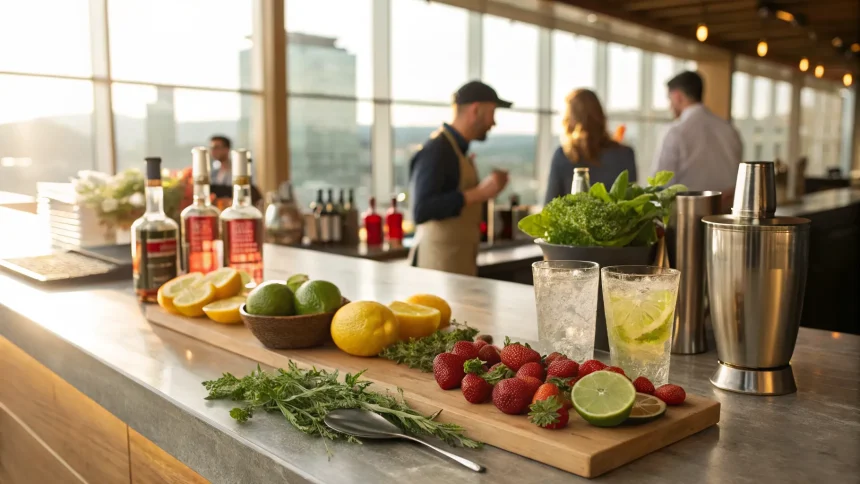
Canada is seeing a marked turn toward alcohol-free drinks, and the shift is showing up in government ledgers. Recent figures point to the steepest decline in alcohol revenue in two decades, as consumers choose zero-proof options in bars, restaurants, and at home.
The trend spans major cities and small towns. It reaches grocery aisles and high-end cocktail bars. It also raises questions for provincial liquor agencies and producers that rely on steady sales and tax receipts. The change is fueled by health goals, tighter budgets, and new products that claim to deliver flavor without the buzz.
A growing taste for alcohol-free cocktails
“Canadians are embracing mocktails.”
Zero-proof menus have moved from novelty to fixture. Bartenders report steady demand for spirit-free takes on classics. Retailers have expanded shelf space for non-alcoholic beer, wine, and aperitifs. Many consumers want ritual and taste without next-day effects.
Public interest in mindful drinking has been building for years. Dry months and alcohol-free pop-ups have gone mainstream. Younger adults are especially open to flexible drinking habits, mixing low- and no-alcohol choices with fewer “big nights out.” That pattern has helped normalize opting out without social pressure.
The sharpest drop in alcohol revenue in 20 years
“Government revenue from alcohol has taken the sharpest dip in 20 years.”
Alcohol taxes and provincial markups are key sources of public revenue. A slide at this scale suggests lower volume, shifts to cheaper formats, or both. Some drinkers appear to be trading down, while others step away from alcohol more often. That combination can dent receipts even if headline prices rise.
Provincial liquor boards and finance ministries will watch the next quarters closely. If the trend holds, budgets tied to alcohol revenue may need adjustment. Agencies might respond by promoting moderate, value-focused offerings, or by revisiting how they stock and price non-alcoholic products within their systems.
Why Canadians are rethinking the drink
Several forces are shaping choices at the bar and checkout. Health is a major factor. Updated national guidance on drinking has sparked fresh debate over risk. Consumers who once saved no-alcohol options for designated-driver nights now pick them on regular evenings out.
Money matters too. Household costs have climbed for food, rent, and transport. Cutting back on alcohol is a simple way to trim bills while keeping social routines intact. Better quality in zero-proof products has made that decision easier.
- Health goals and clearer drinking guidance
- Tighter household budgets and value seeking
- Improved taste and variety in alcohol-free options
- Changing social norms that reduce pressure to drink
Industry response: adapt or lose share
Producers and venues are adjusting. Breweries are adding non-alcoholic lines. Wineries and distillers are experimenting with dealcoholized or “alt” offerings that keep familiar flavor notes. Bars are training staff in zero-proof mixology to justify price points and maintain margins.
Some small producers worry that reduced alcohol spending could squeeze craft segments first. Their costs are higher, and they depend on loyal, frequent buyers. Others see upside in reaching new customers who want taste without intoxication. The winners will likely be those who invest in quality and market clearly to health- and budget-conscious shoppers.
What the next year could bring
If the revenue decline reflects a lasting change, the market may settle at a lower baseline for alcohol sales with faster growth in no- and low-alcohol goods. That would push retailers to rethink shelf space and placement. It could also reshape promotional calendars built around heavy-drinking holidays.
Policymakers may explore how to balance public health aims with revenue planning. Clear labeling, fair taxation for alcohol-free products, and support for small producers could all feature in debates. For consumers, choice has never been wider, and the social script is more flexible than before.
Canada’s drinking culture is not disappearing. It is diversifying. The rise of sophisticated mocktails and the steep revenue dip point to a lasting shift in habits and budgets. Watch for broader alcohol-free menus, sharper competition on taste, and policy moves that reflect a new mix in the glass.