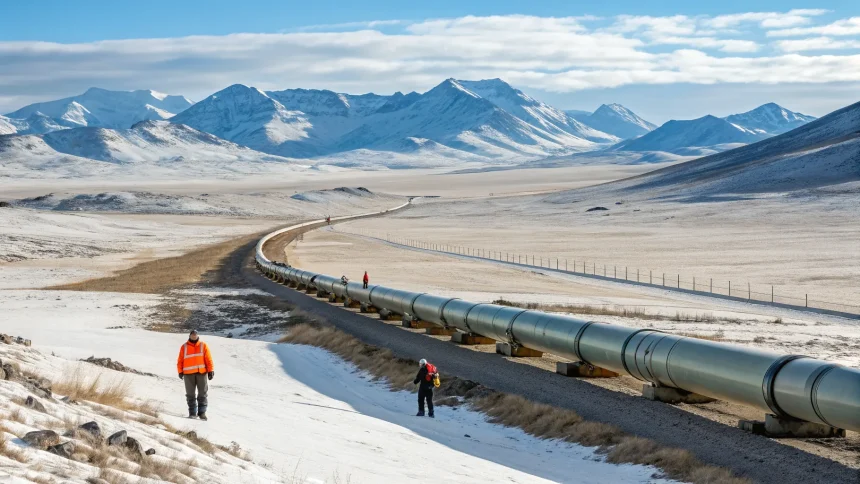
A new oil pipeline linking Canada to Wyoming is under discussion, with backers weighing whether parts of the cancelled Keystone XL could help get it built faster and cheaper. Early outlines suggest a route that would move crude from Canadian fields to refineries and hubs in the Rocky Mountain region. The idea surfaces as producers face shipping bottlenecks and U.S. refineries seek stable supply. The plan is still in its early stages, but it has stirred fresh debate over energy policy, climate goals, and local impacts.
What the Proposal Suggests
New pipeline proposed to carry oil from Canada to Wyoming could potentially piggyback off pipe laid for the cancelled Keystone XL.
The concept hints at reusing materials or rights-of-way linked to the halted project. That could shorten timelines and reduce costs. It could also avoid some new ground disturbance if existing corridors align. Yet major questions remain about what pipe was installed, what condition it is in, and whether current easements allow new use.
Any effort to rely on prior work would need new engineering, testing, and safety checks. It would also require new permits at the state and federal level. Crossing the U.S.-Canada border adds another layer of review.
The Keystone XL Backstory
Keystone XL faced a decade of legal and political fights before the U.S. permit was revoked in 2021. Some related infrastructure was built over the years, including pump stations and stored pipe. But large portions of the planned cross-border line were never completed. The company later withdrew remaining applications and wrote down project assets.
The new idea is not a revival of Keystone XL as designed. It appears to be a separate plan that might reuse assets or pathways where suitable. That approach could still trigger many of the same policy and community debates.
Regulatory and Legal Hurdles
Any cross-border oil pipeline needs a presidential permit. Federal agencies would review the project’s national interest and environmental effects. The National Environmental Policy Act could require a full environmental impact statement. The Pipeline and Hazardous Materials Safety Administration would oversee design and safety standards. States such as Montana and Wyoming would demand their own permits and route approvals.
Tribal governments and landowners would also have a say. Past litigation over cultural sites, water crossings, and eminent domain suggests a long road, even if some corridor reuse is feasible.
Economic Stakes for Rockies and Canada
Western Canadian Select crude often trades at a discount due to shipping limits. Extra pipe capacity to the Rockies could narrow that gap. It could also support refineries in Wyoming and neighboring states that process heavier crudes.
Supporters argue pipelines are cheaper and safer than crude by rail. They say steady supply can stabilize fuel markets in the interior West. Opponents counter that new oil infrastructure locks in emissions and may outlast demand as states shift to cleaner power and transport.
- Potential cost savings from reusing assets
- Faster in-service date if reviews are streamlined
- Market relief for Canadian producers and Rocky Mountain refiners
- Added emissions and land impacts if a new route is required
Environmental and Landowner Concerns
Communities along possible routes will press for clear spill-prevention plans and swift response standards. Water crossings, including streams that feed the Missouri and Colorado River systems, will draw scrutiny. Landowners often push for tighter construction rules, topsoil protection, and fair compensation for easements.
Climate groups will question whether new oil transport aligns with national emissions targets. They are likely to press for full accounting of lifecycle emissions and for investments in grid and storage projects instead.
What to Watch Next
Key signals to monitor include formal filings for a cross-border permit and early route maps. Investors will look for long-term shipping contracts from producers, which help finance construction. Engineers will need to verify any existing pipe is fit for service if reuse is planned.
Public meetings and comment periods will shape the debate. State utility or siting boards could set conditions on safety, setbacks, and restoration. Federal reviews will weigh energy security against environmental and climate costs.
The proposal’s next steps will show whether this concept is a real contender or a test balloon. For now, the idea of linking Canada to Wyoming by leaning on old groundwork has revived a familiar fight. The outcome will hinge on permits, markets, and whether backers can address safety and climate concerns while proving a clear need for the line.