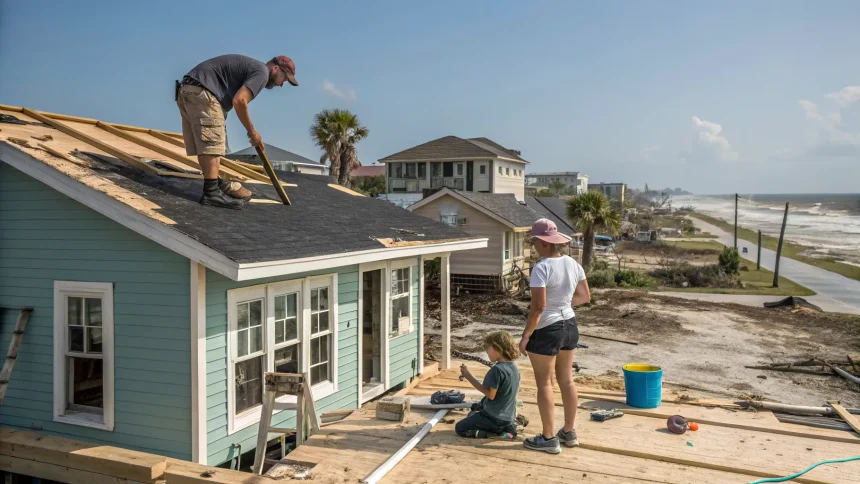
One year after Hurricane Helene tore through North Carolina, the long road back is still visible on main streets, farm roads, and coastal towns. Families and businesses are repairing homes, reopening storefronts, and replacing equipment after a storm that caused billions of dollars in damage across the state.
“North Carolina families and business continue rebuilding one year after Hurricane Helene devastated communities and caused billions of dollars’ worth of damage.”
Local leaders describe a recovery marked by progress and patience. Crews have rebuilt key bridges and cleared debris. Yet housing shortages, slow insurance settlements, and rising construction costs continue to strain budgets and timelines.
Why recovery takes so long
Disaster recovery often takes years, especially after a storm that affected both homes and critical infrastructure. Rebuilding roads, water systems, and schools requires planning, environmental reviews, and skilled labor that is in short supply.
Families face a separate set of hurdles. Many live in temporary rentals while waiting on insurance claims or federal aid approvals. Contractors are booked months ahead, and material prices remain high. Small businesses struggle to cover payroll while repairing buildings and replacing stock.
The economic ripple effect
Owners in agriculture, tourism, and retail say revenue losses carried into this year. Storm damage to farmland reduced yields, while fewer visitors hit local shops and restaurants in hard-hit areas.
Economists note that every delayed repair slows the wider recovery. A closed grocery means fewer jobs and longer drives for residents. A damaged pier means fewer charter trips and hotel bookings. Each setback adds time and cost for families already stretched thin.
Housing remains the pressure point
Housing repairs are moving forward, but unevenly. Renters and low-income homeowners face the steepest climb. Some neighborhoods still rely on temporary fixes that are vulnerable to heavy rain.
Local officials say the housing squeeze feeds other problems. Teachers and nurses struggle to find affordable units near their jobs. Workers commute farther, making it harder for towns to fill shifts needed for rebuilding.
What communities say they need
Across counties, advocates and local leaders point to the same priorities that could speed repairs and reduce risk before the next storm:
- Faster insurance and aid processing to cut wait times for families and small firms.
- More grants for home elevations, drainage upgrades, and buyouts in flood-prone areas.
- Workforce support to recruit and train skilled trades for rebuilding projects.
Signs of progress, and what comes next
State agencies report that major debris removal is complete and many public facilities are open. Schools have resumed normal schedules in most districts. Emergency managers say early-warning systems and evacuation plans were reviewed and updated ahead of the current storm season.
Still, the biggest test is whether repairs will make communities safer. Engineers and planners are pushing for stronger building codes in flood zones, larger buffers along rivers, and green projects that help absorb stormwater. Towns weighing these steps face tight budgets and the need to keep housing affordable.
Learning from past storms
North Carolina’s history with hurricanes shows recovery is rarely simple. After past storms, some towns rebounded within two years, while others struggled for a decade. The difference often came down to stable funding, clear rebuilding plans, and steady communication with residents.
Helene’s path through both rural and urban areas adds complexity. Rural counties need help stretching limited tax bases. Cities must protect dense neighborhoods and key job centers. Both need long-term funding, not just short-term repairs.
As the second year begins, the measure of progress will be simple: more families back in permanent homes and more businesses stable enough to invest again. The next few months will set the tone. If aid moves faster, building materials stay available, and local plans align with state support, towns can shift from patching to true rebuilding. If delays persist, the cost of waiting will grow.
For now, residents are focused on the work in front of them: finishing repairs, reopening doors, and preparing for the next storm. The stakes are clear. How North Carolina handles year two will shape not only recovery from Helene, but also resilience for seasons to come.