The most-watched game in American sports carries a price tag to match, and fans feel it the moment they check listings. The spectacle, the travel rush, and a tight supply drive costs far above a typical Sunday. The contest may last four quarters, but the market builds for months before kickoff in the host city.
“The Super Bowl isn’t a regular football game – and its ticket prices reflect that.”
Each season, demand outstrips supply by a wide margin. Seats are limited, corporate buyers arrive early, and dynamic pricing surges as teams clinch spots. Fans see eye-watering “get-in” prices and premiums for midfield or club access. Many still pay, chasing a bucket-list event with few true substitutes.
Why prices soar far past a normal game
The market starts with tight inventory. Stadium capacity is fixed, and the NFL controls distribution. Historically, the two participating teams receive significant shares. The host team gets a smaller slice. The league and its partners receive the rest. That leaves few tickets for broad public sale.
Corporate demand is the next force. Sponsors, clients, and hospitality firms compete for premium seats and suites. These buyers prioritize access, not bargains. Their early purchases push up baseline prices for everyone else.
Star power matters too. A high-profile quarterback, an undefeated run, or a rivalry can lift prices overnight. Halftime performers add another bump. A major pop act or surprise guest can set off a new wave of interest.
Inside the resale market
Most fans now shop on major exchanges. Listings change minute by minute. As conference championships end, prices often jump. Later, if sellers misjudge demand, late drops can appear.
- “Get-in” prices have reached several thousand dollars in recent seasons.
- Average list prices on major platforms have sat well above $6,000 at times.
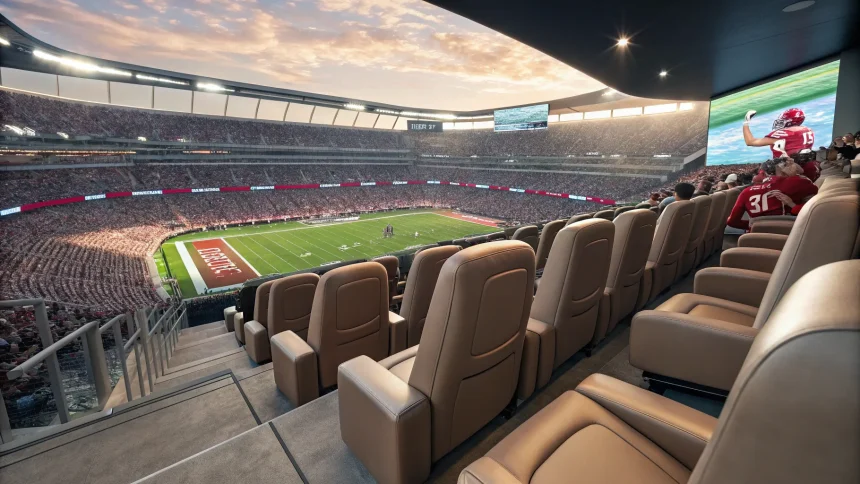
- Club, lower bowl, and suite access can multiply the cost.
Timing is the toughest call. Some years reward early buyers. Others reward patient watchers who strike in the final 72 hours. Weather, travel delays, and local interest all move the needle.
The hidden costs beyond the ticket
The seat is only part of the bill. Flights to the host city fill fast. Prices rise once the matchup is set. Weekend hotel rates can double or triple. Package deals add convenience but carry premiums.
Local rules can add fees. Some cities use event surcharges. Ride-share rates spike on game day. Merchandise and pregame events raise spend further. A fan who budgets only for the ticket often ends up short.
Fans, brokers, and economists weigh in
Resellers say scarcity and certainty carry a price. Buyers pay more to guarantee a view, a section, or club entry. Economists point to classic supply and demand. Fixed seats meet a worldwide audience. That creates a steep curve.
Fans trade stories of timing wins and misses. Some swear by buying the moment their team clinches. Others track listing trends and wait for dips. Many set a hard cap and refuse to chase a falling market.
How to make a plan if you must go
A clear plan helps offset the premium. Experts recommend setting a budget that includes travel and fees. Flexibility on seating can save thousands. Bundling hotel and flight early can reduce risk.
- Set a total trip budget, not just a ticket cap.
- Watch multiple exchanges and compare fees.
- Consider upper-deck or corner seats for value.
- Check verified sellers and transfer rules before purchase.
- Book refundable travel to adjust if prices move late.
What to watch in coming seasons
Host cities with high tourism draw can push prices higher. New stadiums with more suites change the mix. Strong national brands and dynasty runs support steady demand. Security, entry tech, and mobile-only tickets will keep shaping buyer behavior.
The price will always reflect the event’s scale. The spectacle is rare, the stakes are final, and millions watch from home. A limited group will pay to be there in person.
For those buyers, the takeaway is simple. Decide what the experience is worth, set rules, and move when value appears. The game may be priceless, but the market never is.