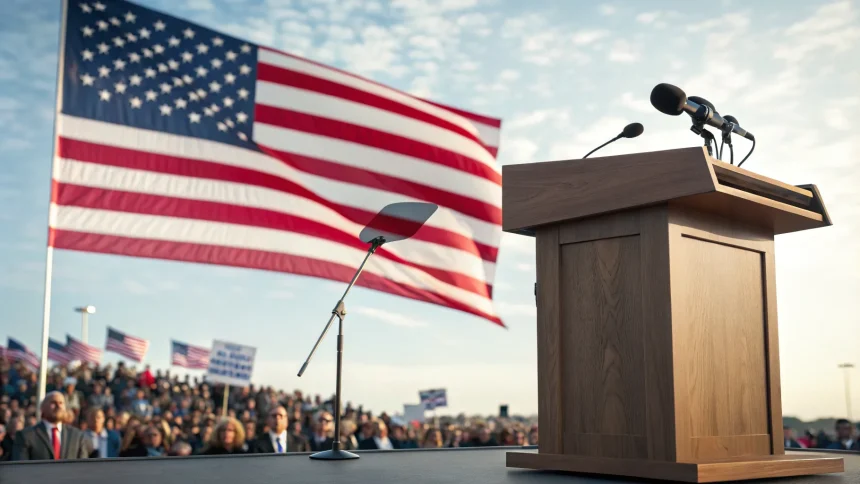
With control of Congress on the line, panelists on Fox Business’ The Big Money Show say Republicans are leaning on strong economic messaging to sway voters. At rallies across the country, President Donald Trump is spotlighting jobs, growth, and tax cuts as the party seeks to beat the midterm trend. The push comes as strategists warn that the president’s party usually loses seats in these contests, and time is short to change the narrative.
‘The Big Money Show’ panel discusses President Donald Trump’s push to sell his economic agenda on the campaign trail as Republicans look to defy history ahead of the midterm elections.
Why midterms are tough for the president’s party
History is a headwind. Since World War II, the president’s party has typically lost seats in the House during midterms. Analysts often cite an average loss of about two dozen House seats. Senate outcomes vary more, depending on the map.
Several forces drive the pattern. Opposition voters are energized, and the White House carries the burden of governing. Local issues also take center stage, blunting national gains. That is why Republicans are placing heavy emphasis on the economy, which polls high among voter priorities.
The message on the trail
Republican rallies feature a familiar set of claims. The White House argues that tax cuts and deregulation have boosted hiring and investment. Officials highlight job openings, consumer confidence, and small business optimism to make the case for continuity.
- Jobs and wages: Emphasis on low unemployment and signs of pay growth.
- Tax cuts: Framing the law as relief for families and small firms.
- Markets and confidence: Citing corporate investment and sentiment indexes.
- Regulatory pullback: Arguing fewer rules help hiring and startups.
Supporters believe the argument is simple and direct. If voters feel better off, they may stick with the party that promises not to change course.
Risks that could blunt the pitch
Democrats counter that the gains are uneven. They point to rising deficits after the tax law and stress that many households still feel squeezed by prices and housing costs. Health care remains a top issue in many districts, where voters focus on premiums and protections for preexisting conditions.
Trade tensions are another wild card. Tariffs have raised costs for manufacturers and farmers in some states. That can complicate the message in places that rely on exports or imported inputs. Volatile markets also cloud the story, as sharp swings unsettle retirement savers.
What persuadable voters may decide
Suburban districts are a key test. These areas have more college-educated voters who weigh the economy against concerns about stability and local issues. Rural regions, where the president remains strong, may hinge on turnout.
Independent voters often split their ballots in midterms. Many report that pocketbook issues matter most. Others focus on checks and balances. That mix makes district-level dynamics decisive, even when national indicators look strong.
Historical echoes and what they suggest
There are parallels across cycles. In 1994, 2006, and 2010, the party out of the White House posted large gains, even during periods of economic change. In each case, enthusiasm gaps and policy backlash shaped results more than top-line growth alone.
Republicans hope this year will differ. They argue that low unemployment and steady hiring can soften the usual midterm swing. Democrats say turnout, health care, and ethics will outweigh economic headlines.
Data points to watch before voters decide
Several indicators could sway late-deciding voters. Monthly jobs reports draw wide attention. Wage growth trends, inflation, and gas prices are felt quickly at the household level. Consumer confidence surveys hint at spending plans in the months ahead.
Corporate earnings and capital spending plans may also shape local coverage. If companies hire or expand in key districts, incumbents will highlight it. If layoffs or plant closures hit, challengers will press the case for change.
What the panel debate reveals
The discussion on The Big Money Show reflects a broader strategic split. One side argues that economic strength can carry the message through November. The other warns that midterms are referendums first and foremost, where voters judge those in power on a wider set of concerns.
Both views hinge on turnout. If the economy keeps humming and consumer sentiment stays high, Republicans may narrow the historical gap. If voters seek a check on the White House, traditional midterm math could prevail.
In the closing stretch, the economy will remain the GOP’s headline case. Democrats will keep the focus on health care costs, oversight, and local issues. The final weeks will test which story moves persuadable voters. Watch the jobs data, gas prices, and trade headlines. Those numbers, and who shows up to vote, will likely decide whether Republicans can defy history.