

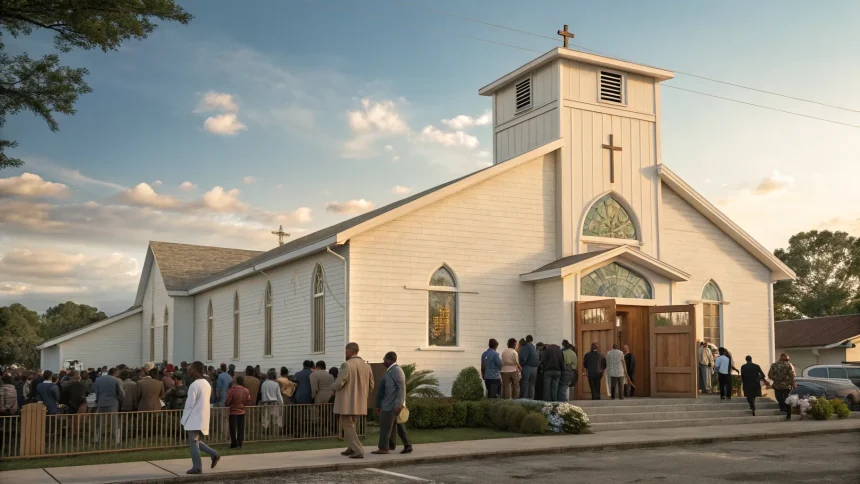
In Oakland, a self-described church placing psychedelic mushrooms at the heart of worship is drawing crowds and questions. Pastor Dave Hodges leads the Zide Door Church of Entheogenic Plants, a congregation that says sacramental use of psilocybin is central to its faith. With more than 130,000 members, the group is pressing an old American question into a new setting: when does a belief count as religion, and who decides?
The church operates in a city that decriminalized certain plant- and fungi-based psychedelics. But state and federal laws still classify psilocybin as illegal. That tension has turned Zide Door into a flashpoint for religious liberty, drug policy, and public health. A recent report hosted by Alexi Horowitz-Ghazi examined how the church functions and the legal fight around it.
From First Movers to Martyrs
Supporters see Zide Door as part of a long American thread of minority faiths seeking protection under the law. The church presents psilocybin as a sacrament used for spiritual insight and healing. Hodges is portrayed as both entrepreneur and believer, staking his fate on a claim that courts have weighed for decades.
“Pastor Dave Hodges just might be a little bit of both,” the report notes, casting him as a possible first mover and a figure willing to take the risks that come with being an early test case.
Oakland decriminalized certain entheogenic plants in 2019, making enforcement the lowest priority for local police. That policy does not legalize sales under state or federal law. The gap between city guidance and federal prohibition has left religious groups in a gray zone.
The Legal Stakes
A lawyer who works with psychedelic congregations described the effort to protect leaders like Hodges from prosecution. The core argument often rests on the Religious Freedom Restoration Act (RFRA). Under RFRA, the government must show a compelling interest and use the least restrictive means when it burdens religious practice. Some groups also seek exemptions from the Drug Enforcement Administration for sacramental use, similar to allowances made for ayahuasca and peyote in specific contexts.
Past cases offer both hope and caution. The Supreme Court has allowed sacramental ayahuasca in limited settings. The Native American Church has long-standing recognition of peyote as a sacrament. But courts also scrutinize claims that arise alongside commercial activity or lack internal controls. Litigants must show sincere beliefs and careful handling, not a thin cover for sales.
How Sincerity Gets Judged
Government agencies and judges look for signs that a system of belief is consistent, sincere, and organized around religious practice rather than profit. The report promises a look at that process: how officials decide whether a faith is genuine and whether its practices can be protected.
It asks how “the government decides whether a belief system counts as sincere religion,” framing the question at the center of Zide Door’s case.
Typical factors include regular services, codes of conduct, spiritual teachings, and documented rituals. Some psychedelic churches implement screening for members, set dosage guidelines, and require integration sessions to distinguish worship from recreational use.
Inside a Rapidly Growing Flock
Zide Door says it has more than 130,000 members. That scale increases scrutiny. Large membership can suggest community and shared practice, but it can also raise questions about access, safety, and oversight. Public health experts stress education and risk reduction, especially for first-time users and people with mental health conditions.
- Members cite spiritual insight and connection.
- Critics warn about commercialization and safety gaps.
- Officials weigh religious claims against drug laws.
Hodges frames mushrooms as a sacrament. The church’s message, as summarized in the report, is simple: psilocybin is central to worship. The line between reverence and retail is where courts often focus.
What Comes Next
As more cities consider decriminalization, similar congregations are likely to emerge. Legal outcomes could hinge on how clearly groups show religious purpose. They may need documented rituals, training for facilitators, harm-reduction protocols, and transparent governance.
For now, Zide Door sits at the edge of law and faith. Oakland’s local stance offers some breathing room, but federal rules still apply. The church and its leaders face the same question that has shaped other sacramental cases: can the state regulate a sacred substance without unlawfully burdening belief?
The story is still developing. Courts and agencies will decide how far religious freedom extends when worship includes a federally banned substance. Observers should watch for test cases invoking RFRA, any DEA exemption decisions, and whether municipalities adopt clear standards for religious use of psychedelics. The outcome will guide not only Zide Door but any faith community that treats entheogens as holy.