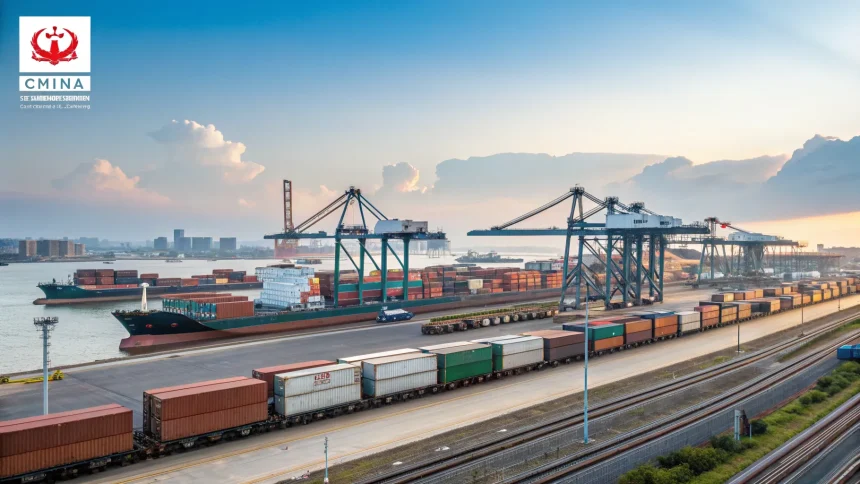
China reported a record trade surplus of almost $1.2 trillion in 2025, a figure that highlights the country’s ability to redirect goods as U.S. demand faltered under higher tariffs. The announcement, made Wednesday by government officials, points to a global reshuffle in trade patterns with far-reaching economic and political stakes.
The headline number marks a new high in China’s external accounts. It comes as exporters leaned on markets outside the United States to offset weaker shipments tied to tariff hikes under President Donald Trump. The scale of the surplus will likely influence currency debates, supply chain plans, and policy choices in Washington, Beijing, and key trading hubs.
“China’s trade surplus surged to a record of almost $1.2 trillion in 2025,” the government said, noting that exports to other countries helped make up for slowing shipments to the U.S. amid higher tariffs.
A record surplus built on redirected demand
The jump in surplus suggests Chinese firms found new buyers even as U.S. tariffs tightened. Exporters appear to have shifted more goods to Asia, the Middle East, Africa, and parts of Europe, while domestic demand tempered import growth. That combination inflated the surplus.
China has long sought to broaden its customer base. Over the past decade, manufacturers widened their reach into regional blocs and emerging markets. Shipping categories likely included electronics, machinery, consumer goods, and intermediate parts that feed into production elsewhere. The re-routing shows how global supply chains adapt when a major buyer raises barriers.
Tariffs reshape trade routes and strategies
Higher U.S. tariffs were designed to slow China-bound imports and press for changes in trade practices. The new record suggests the policy pushed trade flows into other channels rather than cutting total Chinese exports.
Companies often respond to tariffs by adjusting “last-mile” routes, moving light assembly or labeling to third countries before final shipment. Others deepen sales agreements in markets with fewer barriers. These moves keep goods flowing, but they also add costs and complexity.
For U.S. firms, higher input prices and sourcing shifts can squeeze margins. For Chinese firms, the search for new buyers can spur discounts or financing offers to win market share. Both sides face uncertainty over future tariff moves, which complicates long-term contracts and investment plans.
What the numbers mean for global growth
A surplus of this size can weigh on global imbalances. Trading partners may press Beijing to lift imports or allow a stronger currency to narrow the gap. At the same time, many economies depend on affordable Chinese goods to keep inflation in check.
If the surplus reflects weak domestic demand, that could signal softer growth in China’s consumer sector. If it reflects export strength alone, it may intensify debates over fair access and market openness. Either way, the size of the gap will shape policy choices across central banks and trade ministries.
- Prices: Cheaper exports can ease inflation abroad, but tariffs can raise costs for downstream buyers.
- Currency: A large surplus can add appreciation pressure, while policymakers weigh stability against competitiveness.
- Supply chains: Re-routing may lock in new hubs across Asia and other regions.
Competing views from policymakers and industry
Supporters of tariffs argue that pressure is needed to address trade deficits and protect strategic sectors. They see the slowdown in shipments to the U.S. as proof that barriers can rebalance trade relationships.
Critics counter that the surplus shows tariffs missed their mark. Instead of cutting China’s export reach, the measures may have diverted shipments and raised costs for consumers and businesses. They urge negotiations and clear rules on market access and intellectual property to tackle structural issues.
Exporters say they will keep hedging risk by diversifying orders, using multiple ports, and building inventory buffers. Importers in the U.S. and elsewhere may continue to “China-plus-one” sourcing, spreading orders across several countries to manage tariff and political risk.
What to watch next
The size and direction of China’s surplus in the coming quarters will show whether this shift is lasting. Analysts will track export orders in electronics and machinery, signals from customs data, and any changes to tariff schedules.
Key signposts include currency policy guidance, new market access deals, and corporate investment plans in third countries. A moderation in the surplus would suggest stronger Chinese imports or softer external demand. A further rise would likely intensify debate over trade rules and inflation risks.
The record surplus sets the tone for the next phase of trade policy. The headline figure is a reminder that barriers can reroute trade, but they rarely stop it. Policymakers will weigh inflation, supply chain resilience, and strategic security as they decide what comes next.