

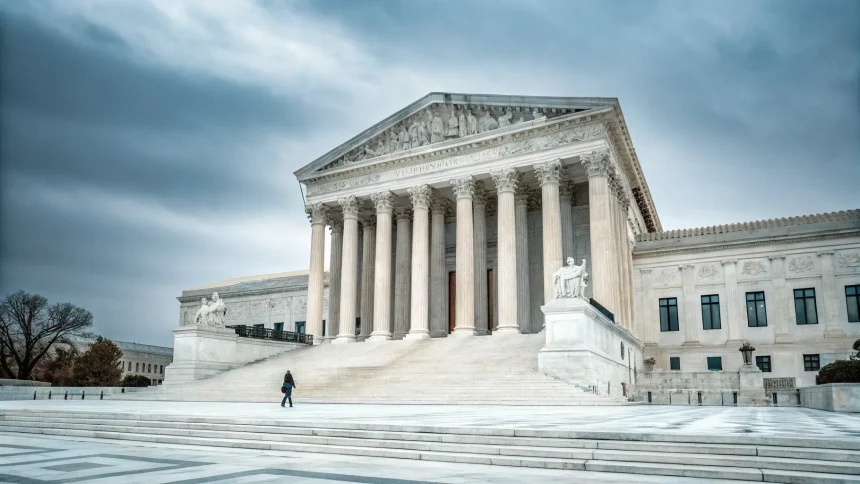
Supreme Court arguments set for January 21 are shaping up as a key moment for United States monetary policy. The hearing is expected to influence how much freedom the Federal Reserve keeps as it manages inflation and jobs. The session in Washington comes as officials weigh interest rate paths and markets watch for signals on the rulebook that guides independent agencies.
Supreme Court arguments on Jan. 21 will likely be the next big development for the central bank’s quest to maintain independence.
The question at stake is how courts define the balance between elected branches and expert regulators. That balance underpins the Fed’s ability to act quickly without political pressure. Investors, lawmakers, and global peers will be watching the courtroom for clues on where that balance lands next.
Why the Case Matters
The Federal Reserve’s design separates day-to-day decisions from short-term politics. Its leaders serve set terms. Its policy committee includes regional bank presidents. This structure is meant to protect long-term goals, like price stability and full employment, even when those choices are unpopular.
If the Court changes how it views agency powers or funding, the effect could reach the central bank. A tighter reading of agency authority may invite more legal challenges to rules and procedures. Questions about how agencies are funded may also surface if the Court sets new limits.
Markets prize clarity. Any shift in guardrails can add uncertainty to rate expectations and bank supervision. That is why a legal hearing far from trading floors can swing bond yields, the dollar, and risk assets.
The Legal Questions at Stake
Recent terms have featured major rulings on agency structure and oversight. Debates have focused on how much deference courts give to regulators and how independent officials can be from the executive branch. Changes in those areas ripple across financial rulemaking, enforcement, and the steps agencies take in crises.
For the Fed, the stakes include its credibility. Courts do not set interest rates, but their decisions shape the environment in which policy is made. A narrower view of agency power could slow new rules and invite litigation over existing ones. A broader view would keep current practices largely intact.
Lessons From History and Abroad
History shows that when central banks bend to short-term political demands, inflation often follows. In the early 1970s, pressure on rate policy contributed to high inflation that took years to fix. In 1979, the Fed under Paul Volcker raised rates sharply to re-anchor price expectations. That move brought a painful recession, but it restored credibility.
Other countries offer cautionary tales. Where leaders direct central banks to fund deficits or keep rates low for political goals, currencies weaken and prices jump. Investors demand higher yields to hold government debt, and investment slows.
What It Means for Policy and Markets
The Fed’s recent tightening cycle aimed to cool inflation after a sharp surge in prices. Keeping distance from day-to-day politics helped the central bank move in large steps and stick to its plan. If independence is questioned, communications become harder and policy signals less trusted.
Banks and borrowers care about predictability. Clear rules reduce funding costs and support planning. Unclear boundaries invite disputes that take time and money to resolve. That drag can weigh on growth even without a formal change in law.
What to Watch on January 21
- How the justices frame the limits of agency power.
- Whether questions touch on funding models and leadership protections.
- Signals on how far any ruling might reach across financial regulators.
- Reactions in bond markets and the dollar during and after the hearing.
Central bank independence is not a niche concern. It affects the price of mortgages, the strength of the dollar, and the pace of job creation. The January 21 arguments will not set interest rates, but they may set the terms for how the Fed operates in the years ahead. After the hearing, watch for the Court’s opinion, potential responses from Congress, and any adjustments in the Fed’s communications. The outcome could shape how the United States manages inflation, growth, and financial stability in the next cycle.