

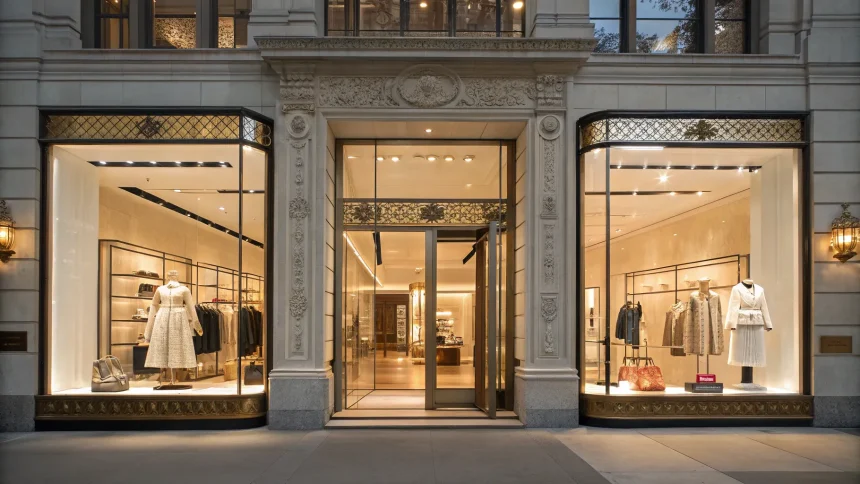
An iconic luxury retailer with more than a century in business filed for Chapter 11 on Wednesday, setting off fresh concerns across the high-end shopping sector. The company oversees Saks Fifth Avenue, Neiman Marcus, Bergdorf Goodman, and Saks Off 5th, a span of brands that reaches deep into American fashion and department store history. Its restructuring could affect suppliers, landlords, and customers as the company seeks a path forward.
The filing places a major player under court protection during a period of high borrowing costs and uneven consumer demand. Creditors, vendors, and employees are now looking for clarity on store operations, vendor payments, and planned closures or sales.
The Chapter 11 filing announced on Wednesday for the iconic, century-plus-old retailer — which oversees Saks Fifth Avenue, Neiman Marcus, Bergdorf Goodman and Saks Off 5th — could ripple through to other parts of the industry.
Why It Matters Now
Chapter 11 allows a company to keep operating while reorganizing its debts. That can stabilize cash flow and buy time to negotiate with creditors. For a retailer of this size, decisions made in court can affect commercial real estate, marketing budgets, and seasonal buying across the sector.
Luxury spending has slowed in some markets as shoppers shift to travel and experiences. At the same time, inflation has increased operating costs and pressured margins. Retailers are also dealing with changing customer habits, including a move to online and resale channels.
A Long Arc For Department Stores
American department stores have faced waves of change for decades. Malls lost foot traffic, e-commerce grew, and consumer tastes shifted to brands with direct relationships. Several large chains have previously restructured to reduce debt and close weaker locations.
High-end chains have been more resilient, relying on affluent customers and unique merchandise. Yet they are not immune to higher rents, steep interest expenses, and the need to upgrade stores and websites. Investment cycles in technology and logistics can strain balance sheets during slower sales periods.
Immediate Industry Impact
The filing may influence how and when vendors get paid. Designers and wholesalers often rely on predictable payment terms to fund production. Delays or changes could ripple down supply chains.
- Landlords may face pressure on rents or lease terms.
- Brands could shift allocations to other channels to manage risk.
- Customers may see tighter inventory as orders are reviewed.
Analysts say that outcomes depend on court approvals and the company’s access to financing while in restructuring. Debtor-in-possession funding, if secured, can stabilize operations through key shopping seasons.
What It Means For Workers And Shoppers
Employees often face uncertainty during a restructuring. Store staffing, hours, and roles can change as management seeks savings. Human resources policies, including benefits and bonuses, may be reviewed under court oversight.
Shoppers may not see immediate changes. Stores usually remain open. Gift cards and loyalty programs often continue, though terms can change later with court approval. The brand experience can suffer if inventory tightens or events and alterations are scaled back.
Strategic Choices Ahead
Executives typically weigh several options in Chapter 11. They can close underperforming locations, renegotiate leases, or seek buyers for assets. They may also pursue deals with lenders to convert debt to equity.
For a portfolio that includes multiple storied banners, the company could consider separating businesses or consolidating back-office functions. Digital investments are likely to remain a priority, given ongoing shifts in shopping behavior.
Signals To Watch
The next steps will depend on the first-day motions, supplier support, and court timelines. Industry watchers will track inventory commitments for upcoming seasons and any adjustments to private-label programs.
If costs stabilize and financing holds, the company could emerge leaner, with fewer stores and a sharpened focus on top markets. If not, deeper cuts or asset sales could follow.
The filing marks a new phase for a cornerstone of luxury retail. The court process will shape how the company balances tradition with the need to adapt. Investors, vendors, and shoppers will be watching the early hearings, vendor arrangements, and holiday strategy for signs of a durable plan.
For now, the main questions are about cash, confidence, and time. The answers will determine whether this historic name can reset and regain momentum, or if the sector is headed for another round of consolidation.