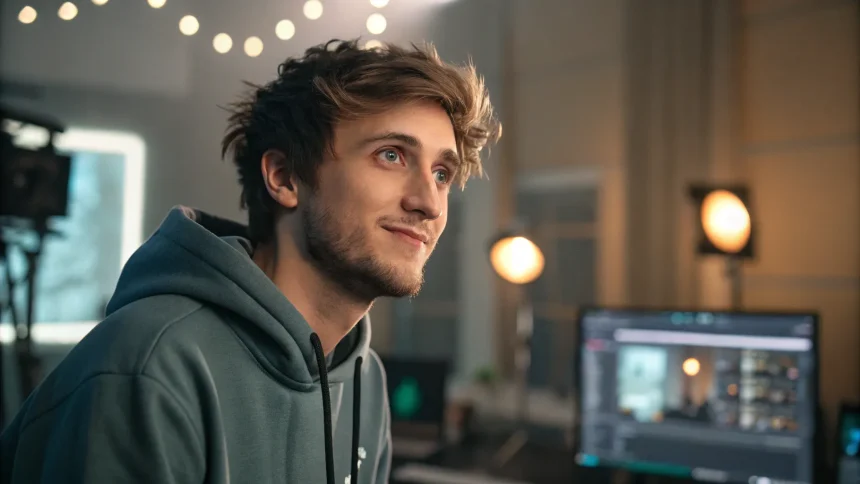
A top online star, age 27, has signaled a move to scale up the work that made him famous. The creator, already the platform’s most-watched figure, plans to expand into new ventures. The timing points to a larger shift in how digital fame is used to build durable businesses.
The core story is simple. A massive audience is no longer the finish line. It is now the starting point for new products, media deals, and real-world brands. The push could shape how other creators plan their next phase.
“The 27-year-old YouTuber isn’t content being the most popular creator on the platform — he wants to expand.”
A shift from views to ventures
Social platforms helped creators grow huge followings. Over the past five years, the biggest names have moved from ad revenue to direct sales and ownership. They launch consumer goods, production studios, and partnerships with retailers and streamers. The goal is to turn attention into assets that last longer than a viral video.
This move also reflects a maturing creator economy. Analysts value the space in the tens of billions of dollars. Investors now look at creators as media companies with built-in distribution. A star with millions of subscribers can test products quickly and at low cost. If a launch works, scale follows.
Why expansion now
Platform rules change often. Ad rates rise and fall. Search and recommendation shifts can hurt even the largest channels. Diversification helps reduce those risks. Building a brand outside one app gives a creator more control and new ways to earn.
Age matters too. At 27, a creator is young enough to take risks and old enough to manage a team. Many start with a small staff and then hire operations, legal, and finance support. That structure is needed to deliver products, meet deadlines, and protect intellectual property.
What this expansion could look like
Expansion can follow several paths. Some are capital light. Others need heavy investment and partners.
- Consumer products: snacks, apparel, accessories, or tech gear.
- Media deals: streaming specials, documentaries, or game shows.
- Licensing: lending the brand to products made by established companies.
- Live events: tours, pop-ups, and ticketed experiences.
- Education: creator academies, courses, or tools for other influencers.
- Philanthropy: high-visibility projects that align with audience values.
Audience trust as the key asset
A creator’s bond with fans is the moat. Viewers feel they know the person they watch. That trust can drive try-and-buy rates that traditional ads rarely match. But it is fragile. Too many ads, low-quality products, or missed promises can cause quick backlash.
Clear communication helps. Setting fair prices, explaining delays, and owning mistakes can preserve goodwill. The best launches often reflect the content itself. If videos spotlight challenges, the product might invite fans to join a challenge. If the brand is about problem solving, products should solve a real problem.
Operational tests and risks
Moving into products and media raises new risks. Inventory ties up cash. Shipping mistakes upset customers. Regulatory issues vary by market. Legal protections, such as trademarks and contracts, take time and money. A creator must balance production goals with the demands of a frequent upload schedule.
Hiring is another pressure point. A small, trusted team can move fast. Rapid growth can strain culture and quality control. Governance helps: basic financial reporting, vendor checks, and clear roles. These steps can prevent costly errors and keep launches on track.
Signals for success
Early signs of a good expansion include fast sell-through, repeat purchases, and steady margins. Strong social engagement around a launch also matters. A second or third successful drop suggests product-market fit. For media projects, completion rates and renewals tell the story.
Creators who build repeatable systems, not one-off stunts, are better placed for the long run. They plan calendars, test formats, and collect feedback. They also protect their time so the core channel does not fade while new bets scale up.
The next chapter for this 27-year-old star looks set to test that model. The audience is there. The ambition is clear. The question is execution. If the rollout matches the hype, the move could set a template for peers. If it falters, others may rethink the pace of their own plans.
For viewers and partners, watch for a first product or marquee deal, the cadence of releases, and how the creator explains the mission. Those signals will show whether this expansion is a short experiment or the start of a durable brand.