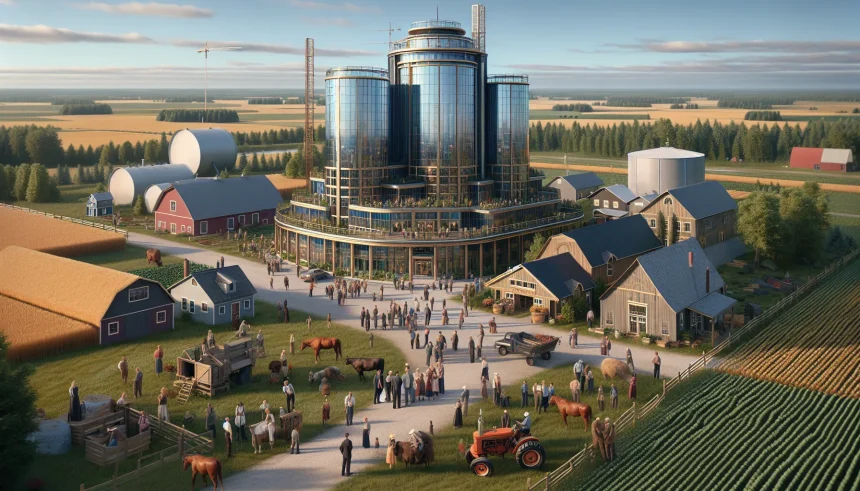
A rural Michigan community is under heavy fire after agreeing to settle a lawsuit that clears the way for a large AI facility on local farmland. The deal, reached this month, allows construction to proceed while residents question the process and the project’s fit for an agricultural area. The dispute centers on who gets to shape the region’s future and how quickly.
The rural Michigan community faces fierce criticism after settling a lawsuit that allowed a massive AI facility on farmland to move forward.
Local officials say the settlement ends costly litigation and provides certainty. Opponents argue it trades away farmland and public input. The agreement has set off a broader fight over land use, transparency, and the long-term costs of data-heavy industries.
Why the fight erupted
At issue is whether farmland should host one of the state’s largest AI-focused facilities. Supporters say it will bring new investment and diversify the tax base. They claim the settlement avoids a prolonged court battle that the township could not afford.
Critics say the project moved too fast. They want open hearings, clear environmental reviews, and binding limits on water and power use. Many fear the facility will change the rural character and drive up infrastructure costs.
What the settlement does
The settlement allows the developer to proceed with site work on designated farmland parcels. It resolves zoning challenges tied to industrial use and removes immediate legal barriers. Officials say it includes compliance requirements and ongoing oversight, though specific terms have not been fully detailed in public meetings.
Residents are seeking a public summary of all conditions, timetables, and traffic and utility plans. They also want an independent review of expected water, power, and noise impacts before permits are finalized.
Concerns from the community
Opponents argue that the region risks eroding its agricultural base for a project they see as out of scale. Several residents say the process left them behind, with notice coming after key decisions had already been made. Others warn of higher taxes if infrastructure upgrades outpace revenue.
- Water and power demand from AI computing clusters.
- Traffic from construction and long-term operations.
- Noise and light affecting nearby homes and farms.
- Loss of prime farmland and pressure on local ecosystems.
- Tax abatements and whether jobs match incentives.
- Transparency of negotiations and public oversight.
Farm owners worry about land fragmentation. Younger farmers fear rising land prices will push agriculture farther out, making it harder to expand or start new operations.
The case for moving ahead
Officials and business advocates say the facility can anchor new infrastructure and stabilize revenue for schools and services. They argue that the settlement sets guardrails that a court fight could not guarantee. Supporters also cite new jobs in construction and maintenance, along with potential contracts for local suppliers.
They add that data infrastructure is now a core part of the economy. If sited with clear limits, they say it can live alongside farms and small towns.
What experts say about AI facilities
Energy planners note that high-capacity computing draws significant electricity. That can strain local grids without upgrades. Environmental groups urge safeguards on water use and heat management if on-site cooling is planned. Planning researchers recommend clear buffer zones, night lighting standards, and truck route plans to reduce neighborhood impact.
Communities that have hosted large data sites often negotiate mitigation funds, independent monitoring, and staged build-outs. Those measures can give residents early warnings if demands exceed forecasts.
What to watch next
The next steps include final site permits, utility agreements, and road plans. Public meetings are expected to set conditions on hours, lighting, and noise. Residents are seeking an independent environmental review and a binding community benefits agreement before construction reaches full scale.
Key questions remain. Will the project deliver stable, local jobs? Can farmland be protected from sprawl once utilities expand? And will the settlement terms be posted in plain language for public review?
The dispute has become a test of trust. Officials say the settlement closes a costly chapter. Many voters say the process opened new wounds. The outcome will shape how rural Michigan handles growth, technology, and the land that feeds the state. A clear plan, public reporting, and phased approvals could help rebuild confidence as the project moves ahead.