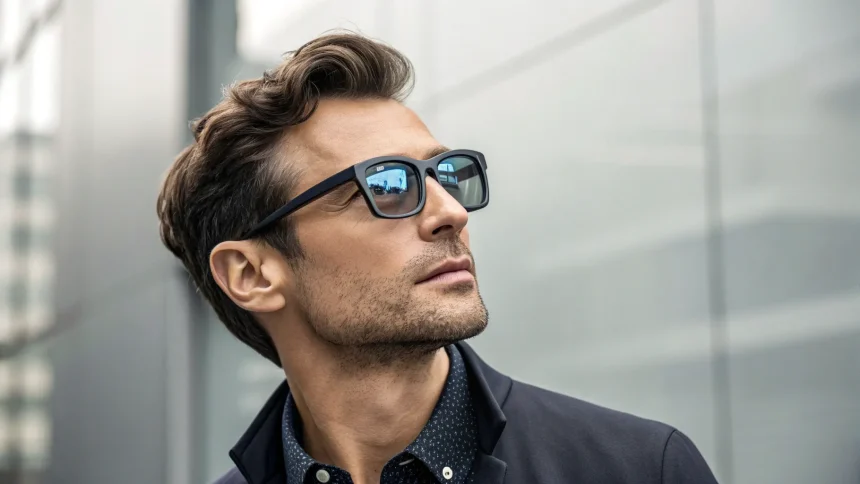
A major tech company is moving into smart eyewear, teaming with top eyewear brands to launch glasses powered by its Gemini artificial intelligence model. The move targets Meta, which has gained early traction with Ray‑Ban Meta smart glasses. The timing signals a new phase in the fight to bring AI off the phone and into everyday wear.
The company is teaming with major eyewear partners on Gemini-powered smart glasses as it takes aim at Meta.
The plan pairs AI software with established fashion and optics makers. That approach suggests the company wants mainstream appeal from day one. It also hints at a pivot from past tech-first glasses that struggled to win regular users.
Why this matters now
AI assistants are moving from apps to devices that can see and hear the world. Smart glasses promise hands-free help for search, translation, directions, and photo capture. Meta’s latest models added better cameras, voice controls, and on‑device processing. A new entrant with a large AI model could raise the bar on real-time help and visual understanding.
The partnership strategy also speaks to comfort, style, and battery life. Eyewear brands know fit and fashion. Tech firms bring sensors, microphones, and AI. Combining these may help avoid the design trade-offs that hurt earlier attempts.
A market shaped by stumbles and second chances
Smart glasses have a long history of promise and pullback. Early products leaned on novelty and recording. Privacy pushback and limited use cases held them back. Recent devices favor classic frames and clear value, like quick photos, calls, and voice assistance.
Meta’s Ray‑Ban line set a new template: familiar styles, reliable cameras, and a companion app. Software updates added image understanding and live translation features. That gave Meta a head start with creators and frequent travelers.
A Gemini-based device could compete on AI quality. It may offer stronger search, more accurate transcription, and better reasoning. The test will be how fast these features work on the go, and how much runs on-device versus the cloud.
What the partnerships could mean
Well-known eyewear partners can speed distribution and fit options, including prescriptions and sun lenses. Retail presence matters for try‑ons and adjustments. It also helps normalize the product among regular glasses wearers.
- Design: Lighter frames, all‑day comfort, and discreet indicators.
- Features: Voice control, photo capture, and visual search.
- Battery: Enough for a full day, or fast charging in the case.
- Privacy: Clear signals when recording and simple controls.
If the company nails these basics, developers may build apps for travel, accessibility, fitness coaching, and workplace tasks. Without them, adoption will lag.
Privacy, safety, and social norms
Smart glasses record the world from a first‑person view. That raises questions about consent, data storage, and bystander awareness. Meta uses a white LED when the camera is on. Clear, bright indicators and audible cues can help set expectations in public spaces.
Policy will matter. Users need easy ways to delete data, opt out of cloud storage, and manage auto‑upload settings. Schools, offices, and venues may set rules for wear. The company will be judged on defaults, not just options.
How it could compete with Meta
Meta has momentum and a tight link between hardware and social platforms. The new entrant could lean on search, translation, and productivity to win. Success will depend on speed, accuracy, and battery life in real use.
Pricing and availability will also shape the outcome. If the company offers several frame styles, prescription support, and wide retail reach, it can grow faster. If supply is limited, Meta keeps its lead.
What to watch next
Key signals will arrive soon: partner names, ship dates, and app features at launch. Look for live demos of vision features and offline use. Watch for commitments on privacy, including recording indicators, on‑device processing, and data retention.
For now, the message is clear. AI is moving to the face. Competition should bring better features and lower prices. The winner will balance style, speed, and trust.
The next phase starts when users put these on in daily life. If the experience feels natural, adoption can grow. If not, smart glasses will stay a niche. Either way, the race with Meta is on.