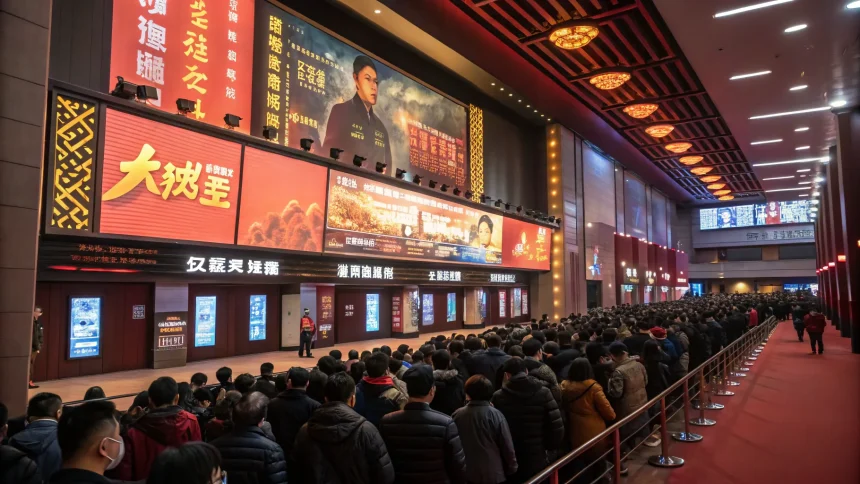
A major studio release posted a strong start in North America in early 2025, yet its greatest momentum came from overseas. The title ranked as the sixth biggest domestic opening of the year, while China delivered nearly half of its worldwide haul, signaling a shift in where studios find growth.
“It was the sixth biggest North American opening of 2025. But its biggest market was China, which made for nearly half of the film’s global total.”
The performance highlights the pull of China’s audience and the pressure on studios to plan global rollouts with Asia front of mind. It also raises questions about how sustainable this reliance is, given regulatory limits, currency controls, and a crowded local film slate.
Why China Matters for Hollywood
China’s box office has grown into the world’s second largest market. In 2020, it surpassed North America during pandemic disruptions. While the U.S. regained the top spot as theaters reopened, China remains critical for recouping big-budget spends.
Studios receive a smaller revenue share in China than in many other territories, often about 25 percent for revenue-sharing releases. Even with that limit, sheer ticket volume can tilt a film’s global math. Premium formats such as IMAX and 3D, popular with Chinese audiences, can further lift grosses.
Past precedents show the pattern. Warcraft earned most of its money in China in 2016. Transformers: Age of Extinction crossed $300 million there, far outpacing its North American run. Recent Fast & Furious entries also leaned heavily on Chinese turnout.
Opening Weekend: What the Numbers Suggest
This film’s North American bow placed it right below the top-tier 2025 debuts, signaling solid interest at home but not a breakout. The outsize results in China changed the global picture. Nearly half of the total from a single territory reflects strong awareness and local marketing pull.
Such splits are becoming more common for action-heavy spectacles and effects-driven stories. These genres travel well, need less cultural translation, and benefit from day-and-date releases that limit piracy and amplify social buzz.
Strategies Behind the Surge
Studios increasingly tailor campaigns for China, from trailer drops timed to local holidays to partnerships with streaming and social platforms. Localization—careful subtitles, region-specific poster art, and talent tours—can help convert curiosity into sales.
- Coordinated release dates to avoid clashes with local blockbusters.
- Premium screen allocation for opening frames.
- Localized marketing assets and influencer tie-ins.
Still, access is not guaranteed. Import quotas, content guidelines, and approval timelines can delay or limit release plans. Currency repatriation and policy shifts can also affect studio returns even when ticket sales are strong.
Industry Voices and Mixed Readings
“Its biggest market was China,” one box office summary noted, “which made for nearly half of the film’s global total.”
Analysts see a double-edged trend. Strong Chinese openings can offset mid-tier U.S. starts. But over-reliance can expose films to risks outside creative control. Local titles in China, including patriotic epics and family comedies, often dominate holiday frames. When schedules collide, foreign films can lose screens quickly.
There is also audience fatigue to consider. Franchises with lengthy backstories may face softer play among casual viewers. Standalone stories or clear entry points tend to travel better. This weekend’s split suggests the film connected cleanly abroad, even if domestic interest was more measured.
What It Means for 2025’s Slate
The case adds weight to a cautious playbook for studios this year. Expect more emphasis on:
- Global test screenings to refine humor and pacing.
- Effects and action sequences designed for premium formats.
- Tighter windows to align marketing beats across regions.
At the same time, studios will likely diversify risk. Mid-budget films, strong word-of-mouth dramas, and horror titles can deliver better domestic multiples without depending on a single market.
This opening weekend shows how a robust China turnout can reshape a global rollout. The film’s domestic rank signals a healthy, not dominant, start. The surge in China did the heavy lifting to elevate worldwide totals. If that pattern continues, 2025 may favor titles engineered for clear spectacle and easy entry points for new audiences.
The next test will be staying power. Week-two drops in both markets will reveal whether the film has lasting appeal. Watch for screen share in China, premium format retention, and any new local releases that could squeeze playtime. For now, the early message is clear: the path to global success still runs through North America, but China can make the difference between solid and standout.